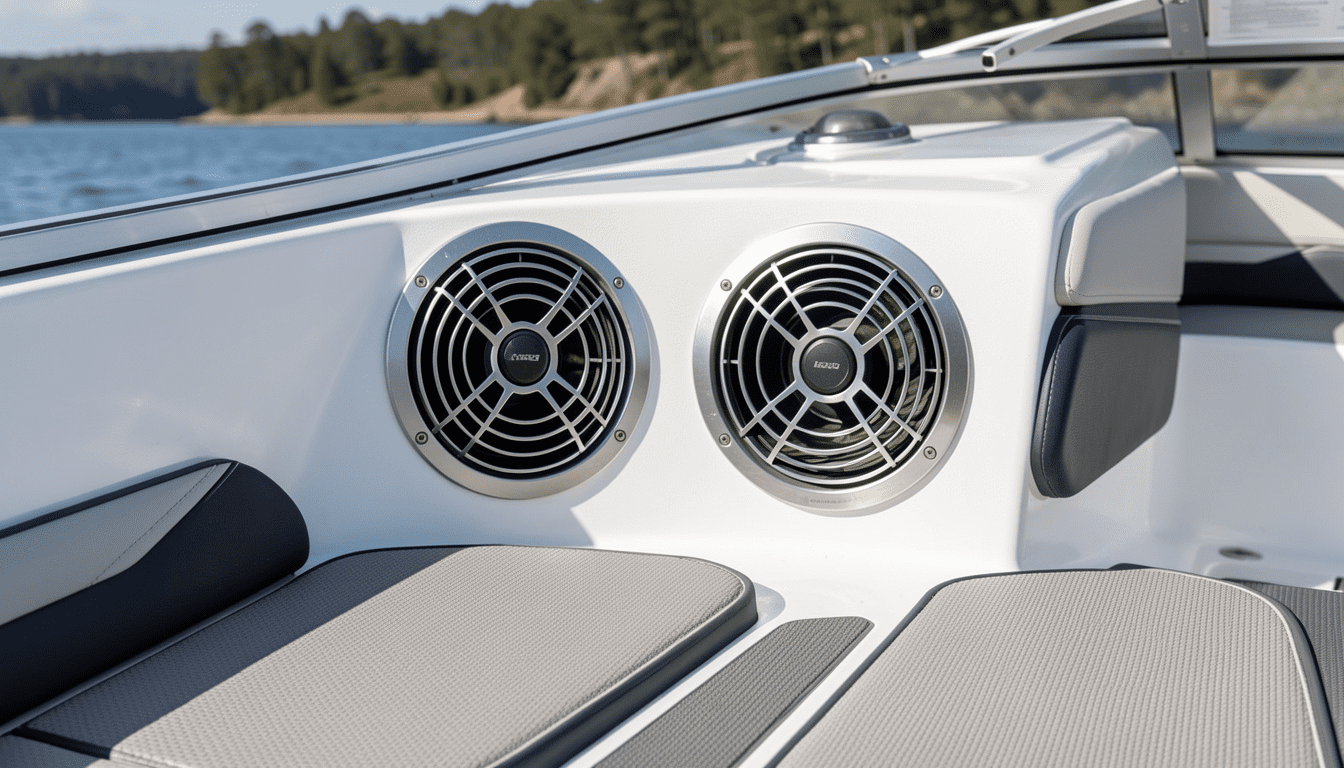
Best Marine Speakers & Audio Systems for 2026: Complete Buyer’s Guide
The first time I installed quality marine speakers on my boat, everything changed. We went from shouting over tinny, crackling sounds to enjoying crystal-clear music that filled the boat.
Great sound transforms a boat from transportation into a destination. Whether you’re anchored in a cove, cruising the coastline, or hosting a dock party, the right sound system makes every moment better.
After 17 years of upgrading boat audio systems, I’ve learned what actually works in the marine environment. Here’s everything you need to know about choosing the best boat speakers and audio systems that deliver great sound and last for years.
Why Marine Speakers Are Different (And Why It Matters)
You can’t just slap your home stereo or car speakers on a boat and call it done. The marine environment destroys regular electronics faster than you can imagine.
The Marine Audio Challenge
Boat speakers face a harsh environment that home audio never encounters:
- Salt water spray corrodes connections and speaker components
- UV rays fade and crack plastic housings
- Temperature extremes from freezing winters to blazing summer decks
- Constant vibration from engines and wave impacts
- High humidity even when it’s not raining
I learned this lesson the hard way. My first boat came with cheap “marine” speakers from the previous owner. They lasted one season before the cones separated and connections corroded. I replaced them with proper marine-grade speakers that are still going strong eight years later.
What Makes a True Marine Speaker
Real marine speakers are built differently:
- Waterproof construction – Not just water-resistant, but sealed against spray and rain
- UV-resistant materials – Housings that won’t fade or crack in sunlight
- Corrosion-proof components – Stainless steel, marine-grade plastic, and sealed connections
- Reinforced cones – Materials that handle humidity without separating
- Sealed magnets – Protected from moisture and salt
Look for IP ratings. IPX6 means protected against powerful water jets. IPX7 means the speaker can be submerged. For boats, you want at least IPX6 rating.
Top Marine Speakers We Actually Use and Trust
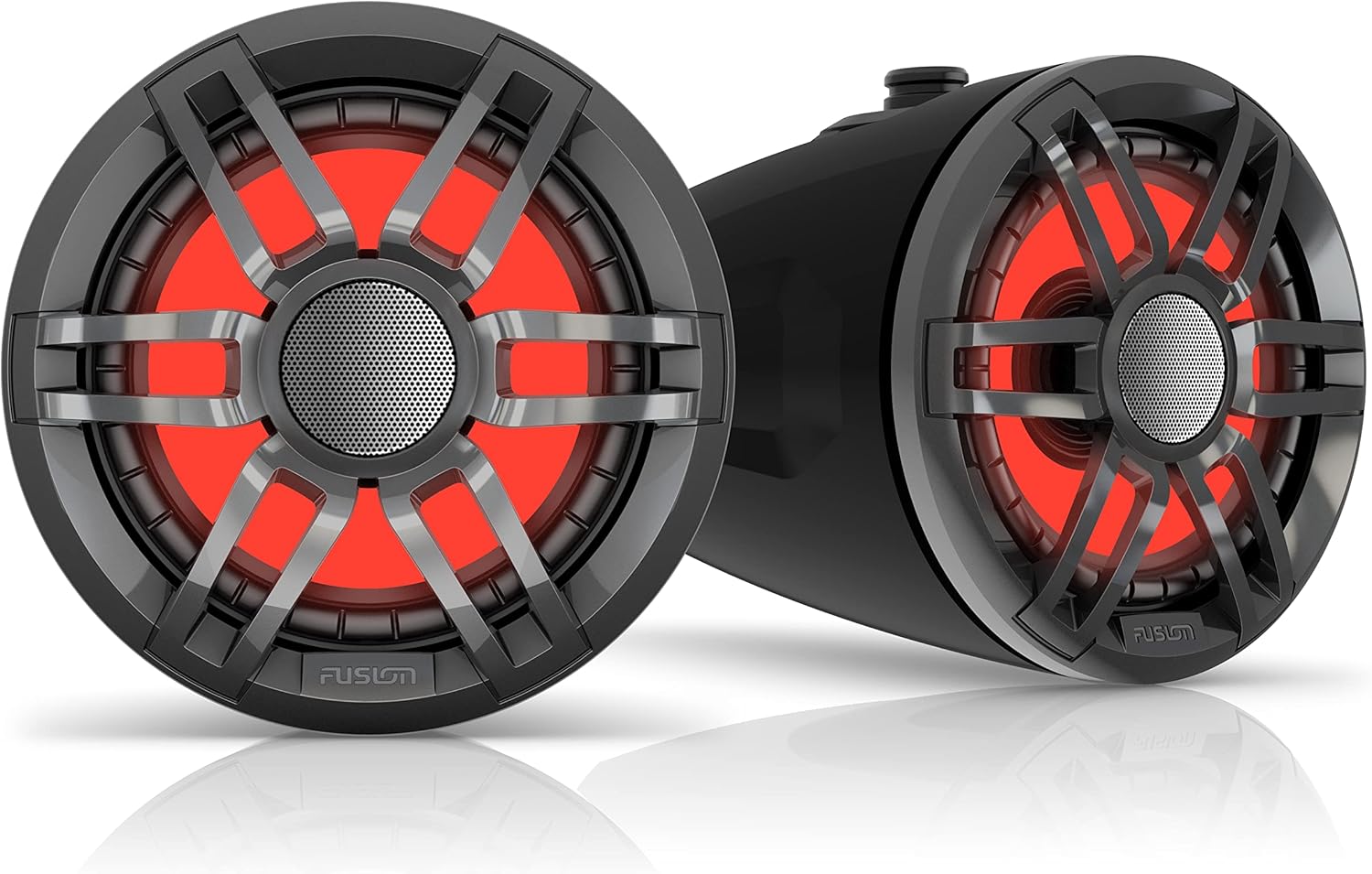
Best Overall: Fusion XS Series Marine Speakers
The Fusion XS speakers are my recommendation for most boaters. They deliver impressive sound quality with deep bass and clear highs, wrapped in a fully sealed, UV-resistant housing.
These speakers survived three seasons of boating on my boat with zero corrosion. The CURV cone technology stays rigid in humidity, and the silk dome tweeters produce crisp highs even at high volume.
Why we recommend them:
- Fully sealed design rated IP67
- 200-watt peak power handling
- Integrated RGB LED lighting
- Available in 6.5″, 7.7″, and 8.8″ sizes
Best for: Most recreational boats, ski boats, center consoles
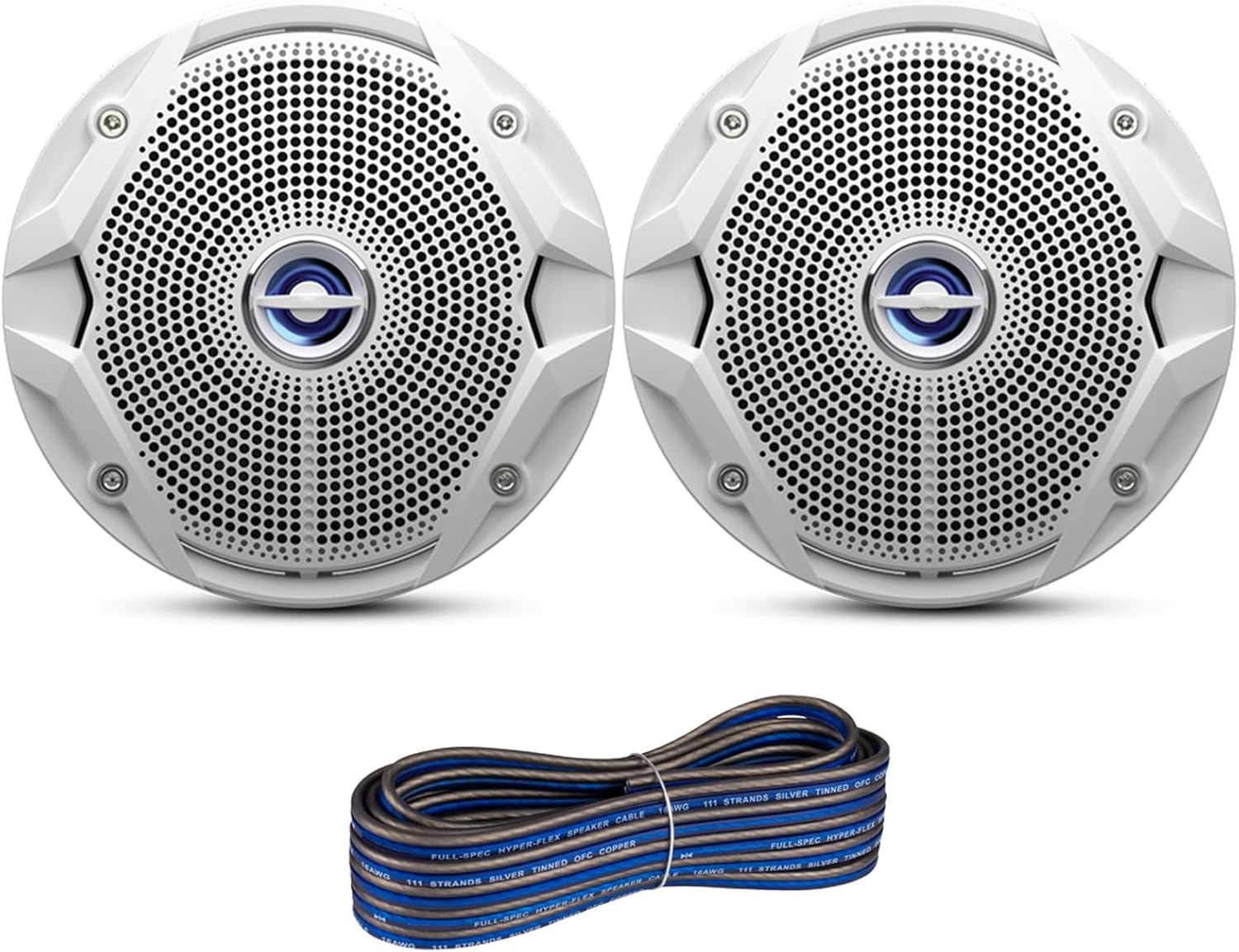
Best Budget Option: JBL MS Series Marine Speakers
Not everyone has $400 to spend on speakers. The JBL MS Series delivers surprisingly good sound at half the price of premium options. They’re my recommendation for first-time buyers or boats on a budget.
The polymer basket resists corrosion, and the rubber surrounds handle humidity well. Sound quality is solid and plenty good for a day on the lake.
- Available sizes: 6.5″ and 8″ models
- Power handling: 150 watts peak
- Best for: Budget-conscious boaters, smaller boats, pontoons
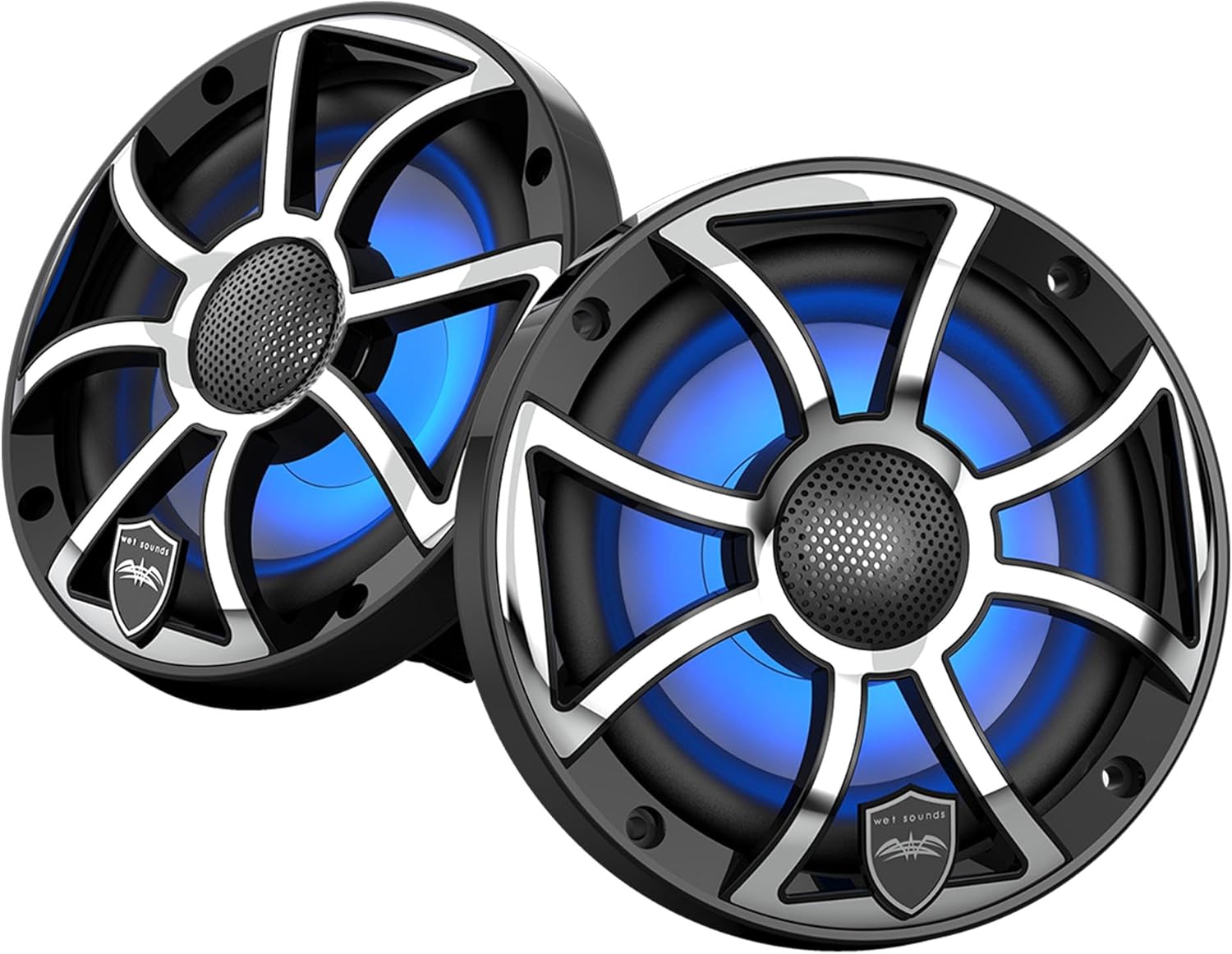
Best Premium: Wet Sounds REVO 6 Series
When you want the absolute best sound on the water, Wet Sounds is the brand boaters choose. These speakers cost more, but they deliver excellent quality audio that turn heads.
I installed these on my wakeboard boat, and the difference is night and day. Deep, punchy bass. Crystal clear vocals. They can get loud enough to fill an entire cove without distortion.
Why audiophiles love them:
- Military-grade construction
- 300-watt RMS power handling
- Kevlar-reinforced cones
- Completely sealed and waterproof
- RGB LED lighting with multiple color options
Best for: Wakeboard boats, larger cruisers, serious audio enthusiasts
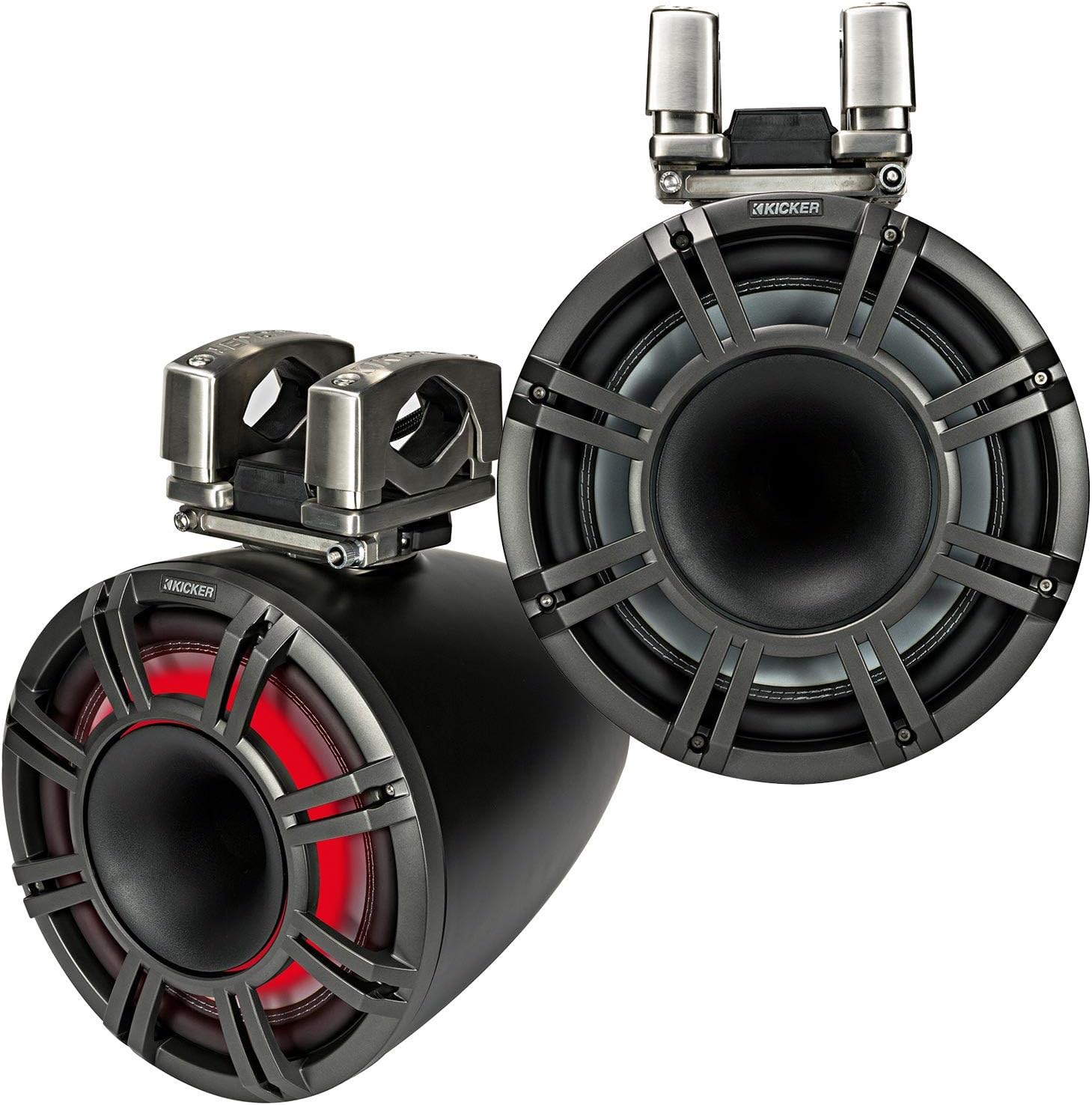
Best Tower Speakers: Kicker KMT Series Tower Speakers
Tower speakers project sound forward toward riders rather than up toward passengers. If you wakeboard, ski, or tube, tower speakers are game changers.
The Kicker KMT series mounts securely to wakeboard towers and delivers impressive volume. Riders can actually hear the music while being pulled behind the boat.
Features:
- Weather-resistant with stainless steel hardware
- Swivel mounting for optimal sound direction
- Horn-loaded compression drivers
- LED lighting integrated
Best for: Wakeboard boats, ski boats, boats with towers
Marine Audio System Components Explained
Speakers are just one part of a complete marine audio system. Here’s what else you need to know.
Marine Head Unit (Stereo)
The head unit is your system’s brain. Modern marine head units do way more than play CDs.
Must-have features:
- Bluetooth connectivity – Stream from your phone without wires
- Waterproof faceplate – Sealed against spray
- USB charging port – Keep devices powered
- Multiple zones – Control cockpit and tower speakers separately
- AM/FM radio – For weather updates and emergency broadcasts
Nice-to-have features:
- Apple CarPlay / Android Auto
- SiriusXM satellite radio capability
- Smartphone app control
- NMEA 2000 integration (connects to boat’s electronic systems)
- Built-in amplifier
Marine Amplifiers
If you want serious volume or premium speakers, you need an amplifier. Head units don’t provide enough power to drive quality speakers to their potential.
A good marine amplifier delivers clean power that brings out the best in your speakers. You’ll get louder volume, deeper bass, and clearer highs.
Amplifier buying tips:
- Match amplifier power to speaker ratings
- Look for fully sealed, waterproof construction
- Consider Class D amplifiers (more efficient, run cooler)
- Calculate how many channels you need (2 or 4 channel for speakers, mono for subwoofers)
- Ensure proper installation location with ventilation
Marine Subwoofers
Want that deep bass that you feel in your chest? You need a subwoofer. Marine speakers alone can’t reproduce the lowest frequencies effectively.
I resisted adding a subwoofer for years, thinking it was overkill. I was wrong. A good marine sub adds depth and richness to music that transforms the listening experience.
Subwoofer options:
- Enclosed subwoofers – Ready to install, take up less space
- Free-air subs – Mount directly to bulkhead, no enclosure needed
- Under-seat subs – Space-saving for smaller boats
Bluetooth Speakers (Portable)
Sometimes you don’t need a full installed system. Portable Bluetooth speakers are perfect for smaller boats, dinghies, or supplementing your main system.
I keep a JBL Flip on board as a backup. It’s waterproof, floats, and provides surprisingly good sound for its size. Perfect for beach parties or when anchored away from the boat.
How to Choose the Right Marine Audio System
Step 1: Determine Your Budget
Marine audio systems range from $500 to $5,000+. Be realistic about what you can spend.
Budget tiers:
- $500-1,000 – Basic system: head unit + two pairs of speakers
- $1,000-2,500 – Quality system: head unit + premium speakers + amplifier
- $2,500-5,000+ – Premium system: high-end speakers + multiple amps + subwoofer + tower speakers
Step 2: Consider Your Boat Type
Different boats have different audio needs:
- Pontoon boats – Need speakers that project forward; consider soundbar options
- Ski/wakeboard boats – Benefit from tower speakers; need high power output
- Center consoles – Limited space; may need compact speakers
- Cruisers/cabin boats – Can accommodate full systems with subwoofers
- Fishing boats – Keep it simple; waterproof Bluetooth may be enough
Step 3: Think About Usage
How will you use your boat’s audio system?
- Background music – Basic head unit + coaxial speakers works fine
- Watersports – Add tower speakers and amplification
- Dock parties – Invest in subwoofer and higher power handling
- Cruising – Consider multi-zone system for separate cabin/cockpit control
Step 4: Plan for Installation
Installing marine audio isn’t simple. You’re dealing with:
- Running wiring through bulkheads
- Waterproofing all connections
- Mounting speakers securely
- Connecting to boat’s electrical system safely
Unless you’re experienced with boat wiring, hire a professional marine electronics installer. Poor installation causes more problems than cheap equipment.
Installation Tips and Best Practices
Speaker Placement Matters
Where you mount speakers dramatically affects sound quality:
- Aim speakers at listeners – Not straight up at the sky
- Mount at ear level when seated – Usually on gunwales or cabin sides
- Space speakers apart – Create stereo separation for better sound
- Avoid mounting near water – Even waterproof speakers last longer away from direct spray
Wiring Best Practices
Proper wiring prevents problems down the road:
- Use marine-grade tinned copper wire (resists corrosion)
- Seal all connections with heat shrink tubing
- Apply dielectric grease to prevent corrosion
- Run wires through conduit when possible
- Keep power and speaker wires separated
- Install proper fuses on power lines
Protecting Your Investment
Make your marine audio last:
- Cover your head unit – Use a snap-on cover when not in use
- Rinse speakers – Spray with fresh water after saltwater exposure
- Check connections – Inspect annually for corrosion
- Remove face plates – Store head unit faceplates when boat is stored
- Winterize properly – Disconnect batteries in cold climates
The Bottom Line on Marine Audio
Good sound makes every boat trip better. Whether you’re cruising at sunset, anchored with friends, or pulling wakeboarders, the right audio system enhances the experience.
I’ve installed audio systems on five different boats over the years. The pattern is always the same: cheap systems disappoint quickly, while quality marine-grade equipment delivers years of reliable performance.
Start with quality speakers and a decent head unit. Add amplification when budget allows. Consider tower speakers if you do watersports. And always—always—use properly waterproofed marine-grade components.
Your boat deserves better sound than a portable radio. And your crew deserves better than asking “what did you say?” over crackling speakers.
Invest in a proper marine audio system. You’ll wonder how you ever boated without it.