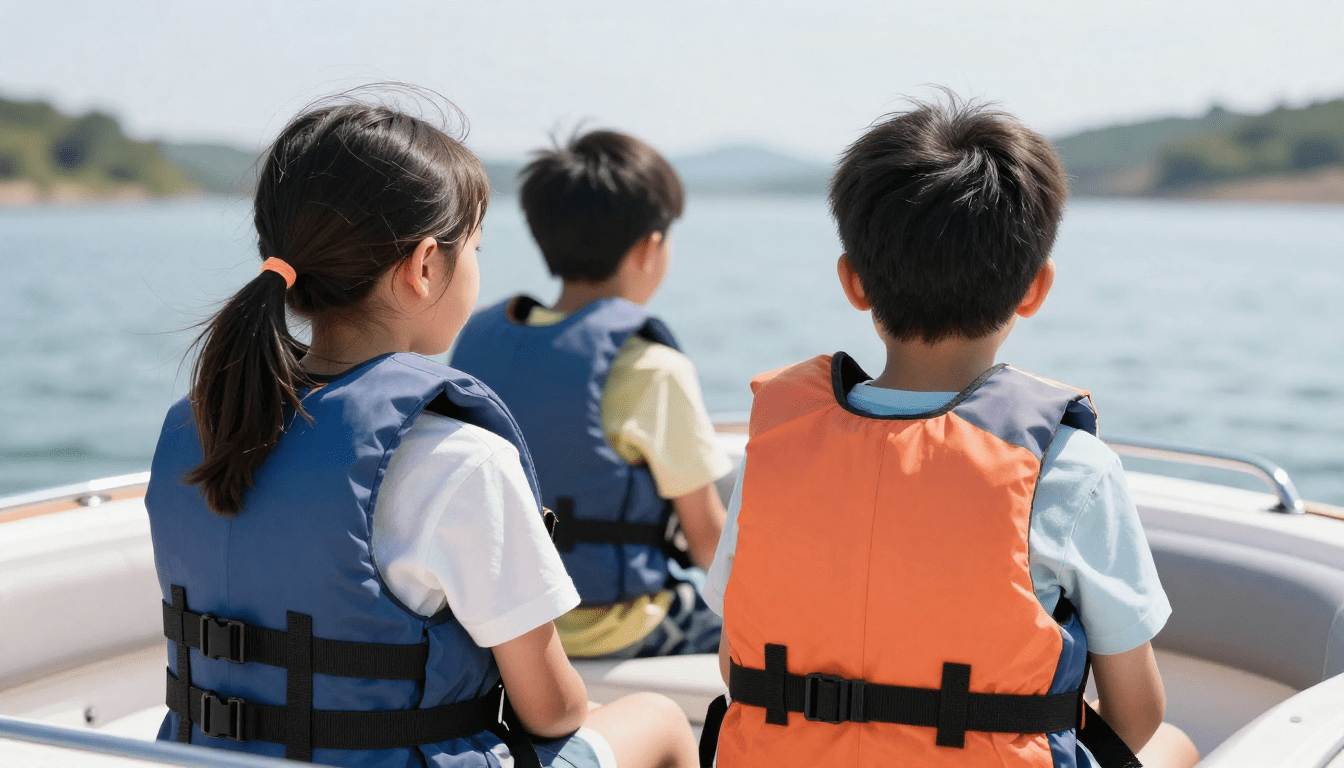
Life Jackets & Safety Gear
Understanding Life Jacket Types: What the Coast Guard Requires
The Coast Guard classifies life jackets into five types. Each serves a different purpose, and knowing the difference could save a life.
Type I: Offshore Life Jackets
These are the workhorses of open water. They provide the most buoyancy (22 pounds minimum) and will turn most unconscious wearers face-up in the water. They’re bulky, but if you’re heading offshore or into rough conditions, this is what you want.
Best for: Ocean cruising, offshore fishing, rough water conditions
Type II: Near-Shore Vests
Type II jackets offer less buoyancy (15.5 pounds minimum) than offshore models, but they’re more comfortable for all-day wear. They’ll turn some unconscious wearers face-up, though not as reliably as Type I.
I keep these on my boat for lake days and calm coastal cruising. They’re the sweet spot between safety and comfort.
Best for: Inland waters, calm conditions, general recreational boating
Type III: Flotation Aids
This is what most recreational boaters wear. Type III jackets are comfortable, come in dozens of styles, and provide the same buoyancy as Type II (15.5 pounds). The catch? They won’t turn an unconscious person face-up.
These are perfect for active water sports where you need freedom of movement.
Best for: Water skiing, wakeboarding, kayaking, fishing
Type IV: Throwable Devices
These aren’t worn. They’re thrown to someone in the water. Cushions and ring buoys fall into this category. Every boat 16 feet or longer must have one immediately accessible.
Best for: Emergency rescue situations
Type V: Special Use Devices
This category includes inflatable life jackets, kayak vests, and specialized gear. They’re only Coast Guard-approved when used as intended and labeled.
Inflatable life jackets have become my go-to for serious boating. They’re comfortable enough to wear all day, and when activated, they provide excellent buoyancy.
Best for: Adults who will actually wear them consistently
Top Life Jackets We Actually Use and Trust
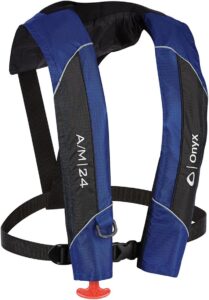
Best Overall: Onyx A/M-24 Inflatable Life Jacket
I switched to inflatable life jackets three years ago and haven’t looked back. The Onyx inflatable sits like a comfortable collar around your neck. You forget you’re wearing it until you need it.
The automatic inflation system activates when it hits water, or you can pull the manual cord. It inflates to a Type V rating with 35 pounds of buoyancy.
Why we recommend it:
- Actually comfortable enough to wear all day
- Automatic or manual inflation
- Coast Guard approved for adults 16 and older
- Multiple color options
Important note: Inflatables aren’t approved for children under 16, non-swimmers, or personal watercraft use.
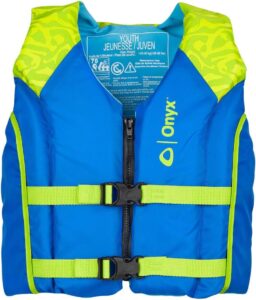
Best for Kids: Onyx All Adventure Youth Vest
Finding a life jacket kids will actually wear is half the battle. The Onyx All Adventure line comes in bright colors with fun designs. More importantly, it fits well and stays comfortable during hours of swimming and playing.
The jacket features large armholes for mobility, a grab handle on top for easy retrieval, and reflective accents for visibility.
Available sizes: Infant (under 30 lbs), Child (30-50 lbs), Youth (50-90 lbs)
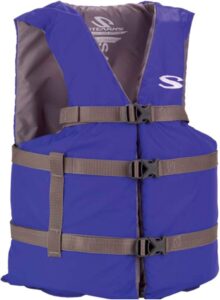
Best Budget Option: Stearns Classic Adult Vest
Not everyone needs a $150 life jacket. The Stearns Classic does everything it needs to do at a fraction of the price. It’s a Type III flotation aid that’s comfortable, durable, and Coast Guard approved.
I keep several of these on board as loaners for friends who join us on the water.
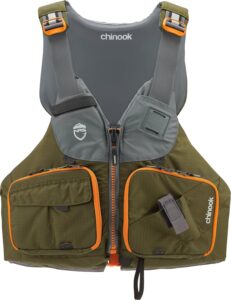
Best for Fishing: NRS Chinook Fishing PFD
Serious anglers need pockets. Lots of pockets. The NRS Chinook delivers with eight front pockets, adjustable straps, and a high-back design that won’t interfere with your boat seat.
The mesh lower back provides ventilation on hot days, and the jacket sits high enough that it doesn’t bunch up when you’re seated.
Essential Safety Gear Beyond Life Jackets
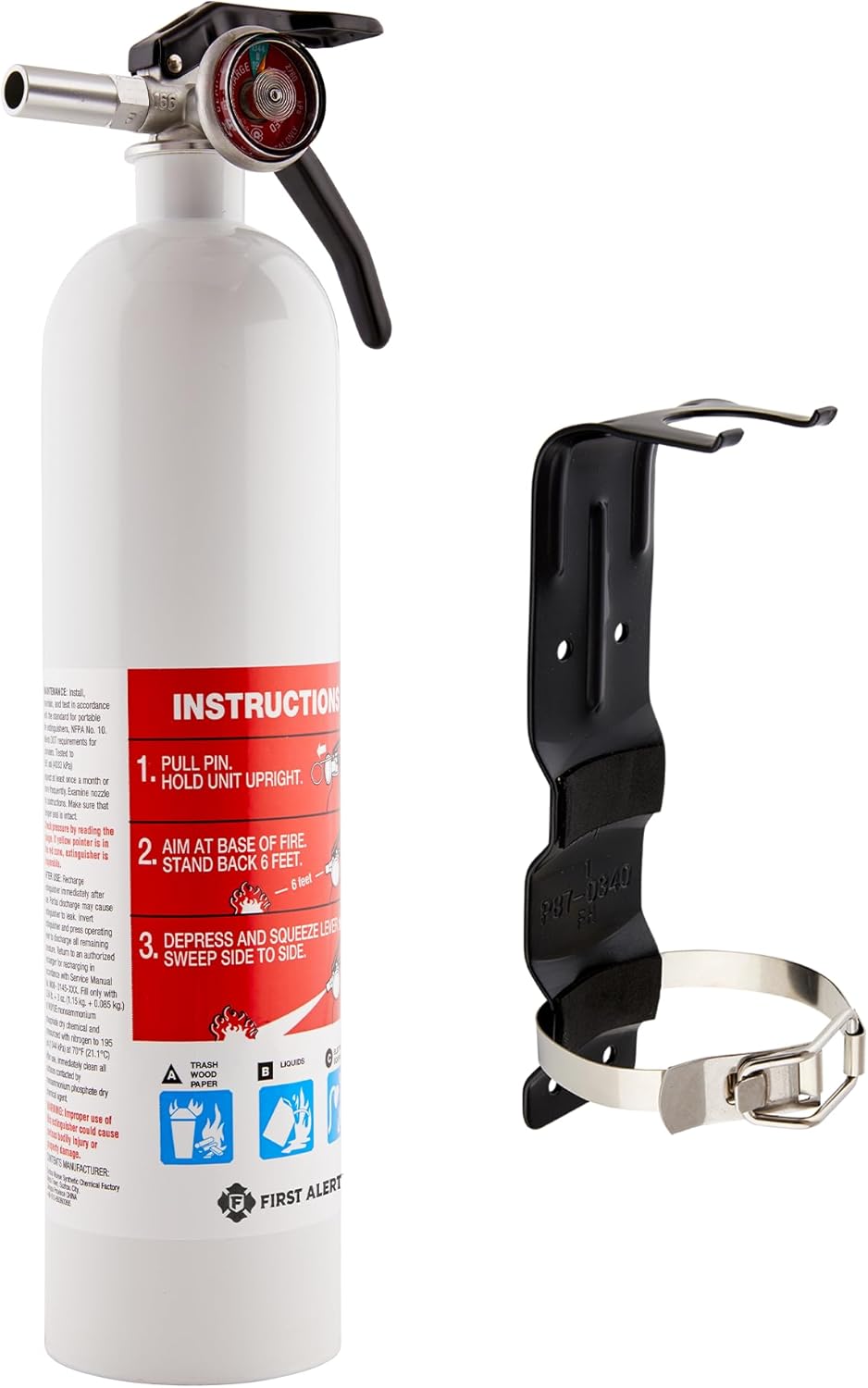
Fire Extinguisher (Required by Law)
Boats under 26 feet need at least one B-I type fire extinguisher. Boats 26 to 40 feet need either two B-I or one B-II extinguisher.
I learned this the hard way when a fuel line leak caused a small fire in the engine compartment. The extinguisher put it out in seconds. Without it, we would have lost the boat.
Mount your extinguisher where you can reach it quickly but away from potential fire sources. Check the pressure gauge monthly.
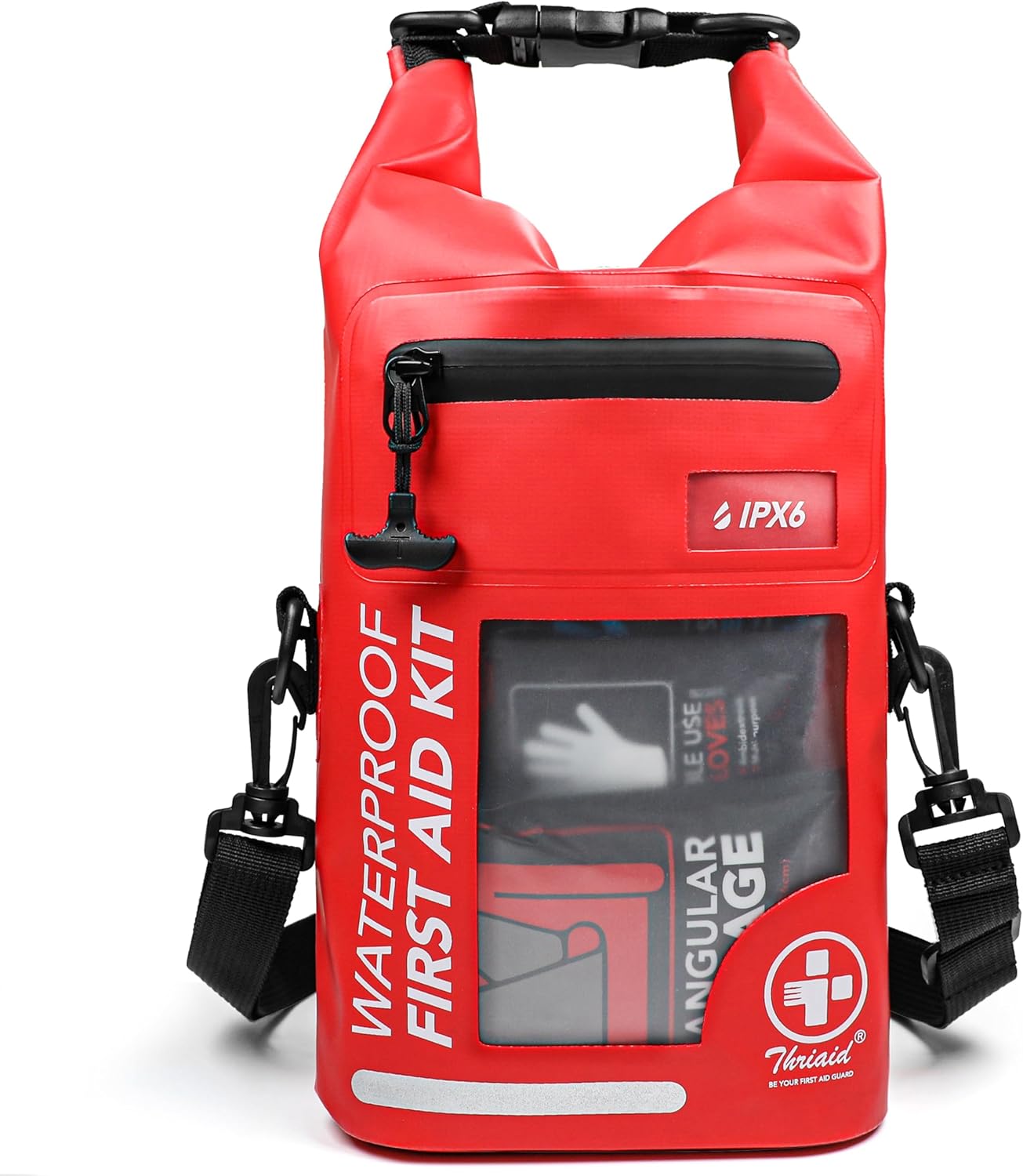
First Aid Kit (Waterproof)
A basic first aid kit should include:
- Adhesive bandages (various sizes)
- Gauze pads and medical tape
- Antiseptic wipes and antibiotic ointment
- Pain relievers and seasickness medication
- Tweezers and scissors
- Emergency blanket
- CPR face shield
Store it in a waterproof container and check expiration dates yearly. Add any prescription medications your crew might need.
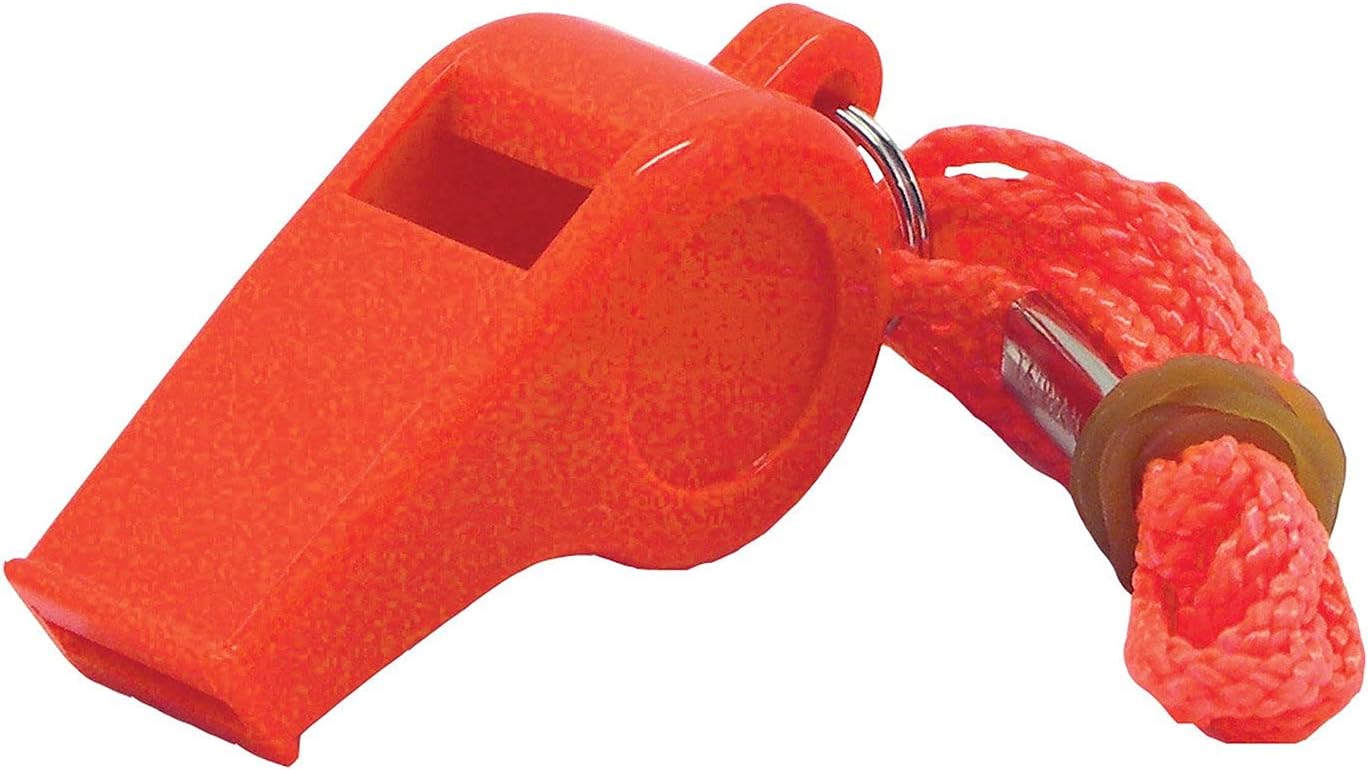
Sound-Producing Device
You need a horn, whistle, or bell to signal other boats. Boats under 39.4 feet need a device audible for half a mile. Boats over 39.4 feet need one audible for one mile.
I keep both an air horn and a waterproof whistle attached to my life jacket.
The whistle never runs out of air.
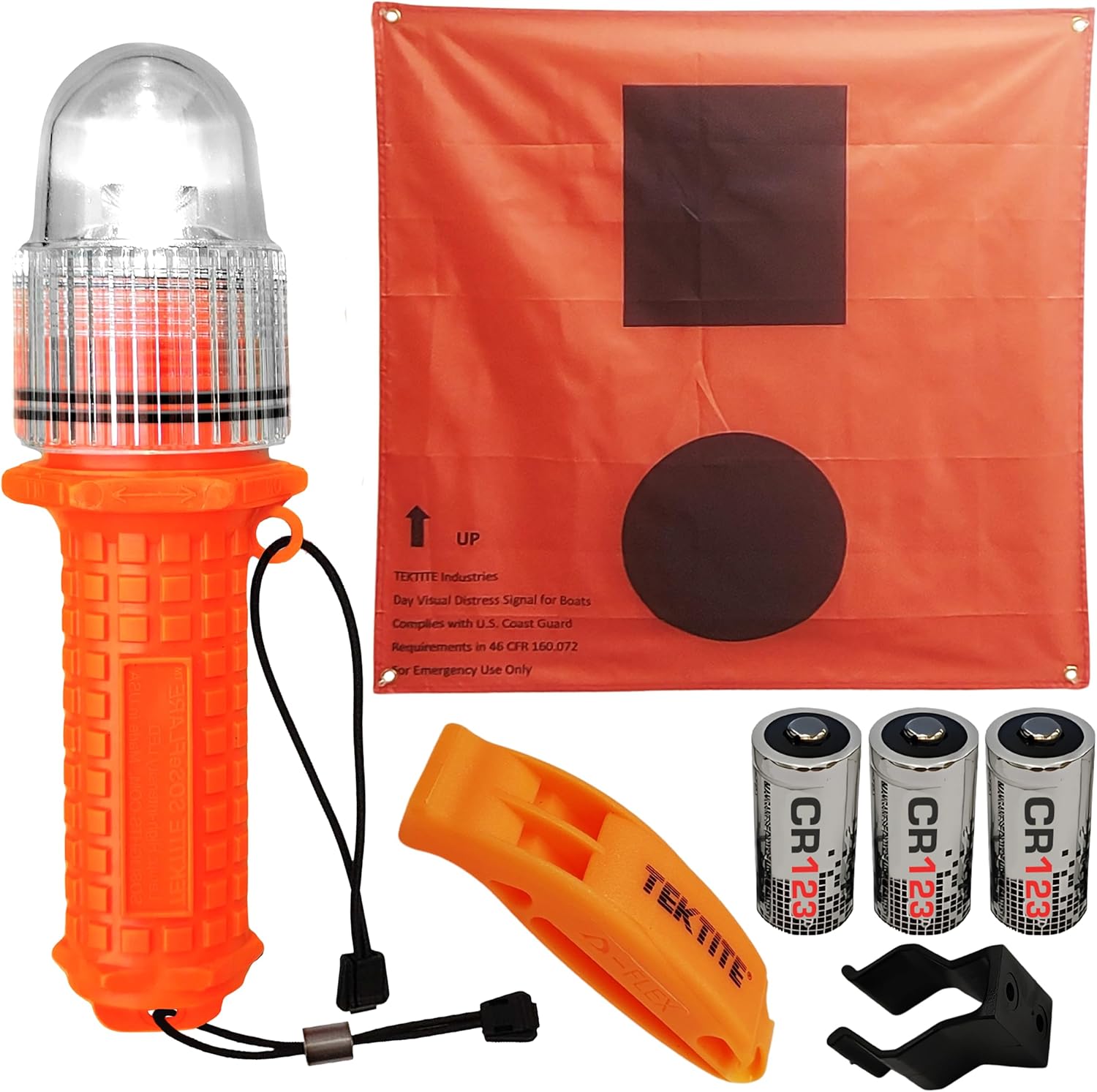
Visual Distress Signals
If you boat on coastal waters, you need visual distress signals. Options include:
Flares expire after 42 months. Mark the date on your calendar and replace them on time. Old flares might not work when you need them most.
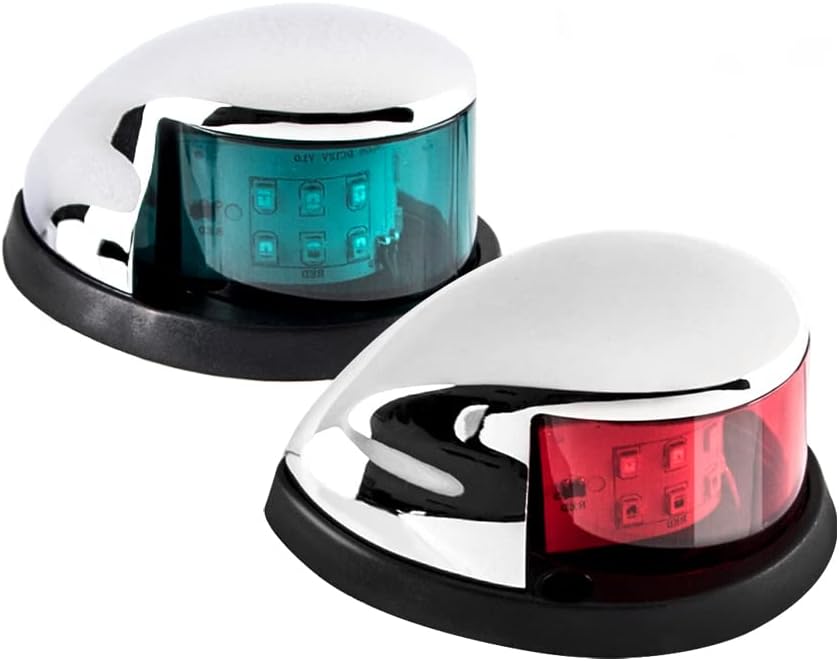
Navigation Lights
If you boat after sunset, you need proper navigation lights. Red on port (left), green on starboard (right), and white on stern. These aren’t optional—they’re required by federal law.
LED navigation lights last longer and draw less power than traditional bulbs. Test them before every night trip.
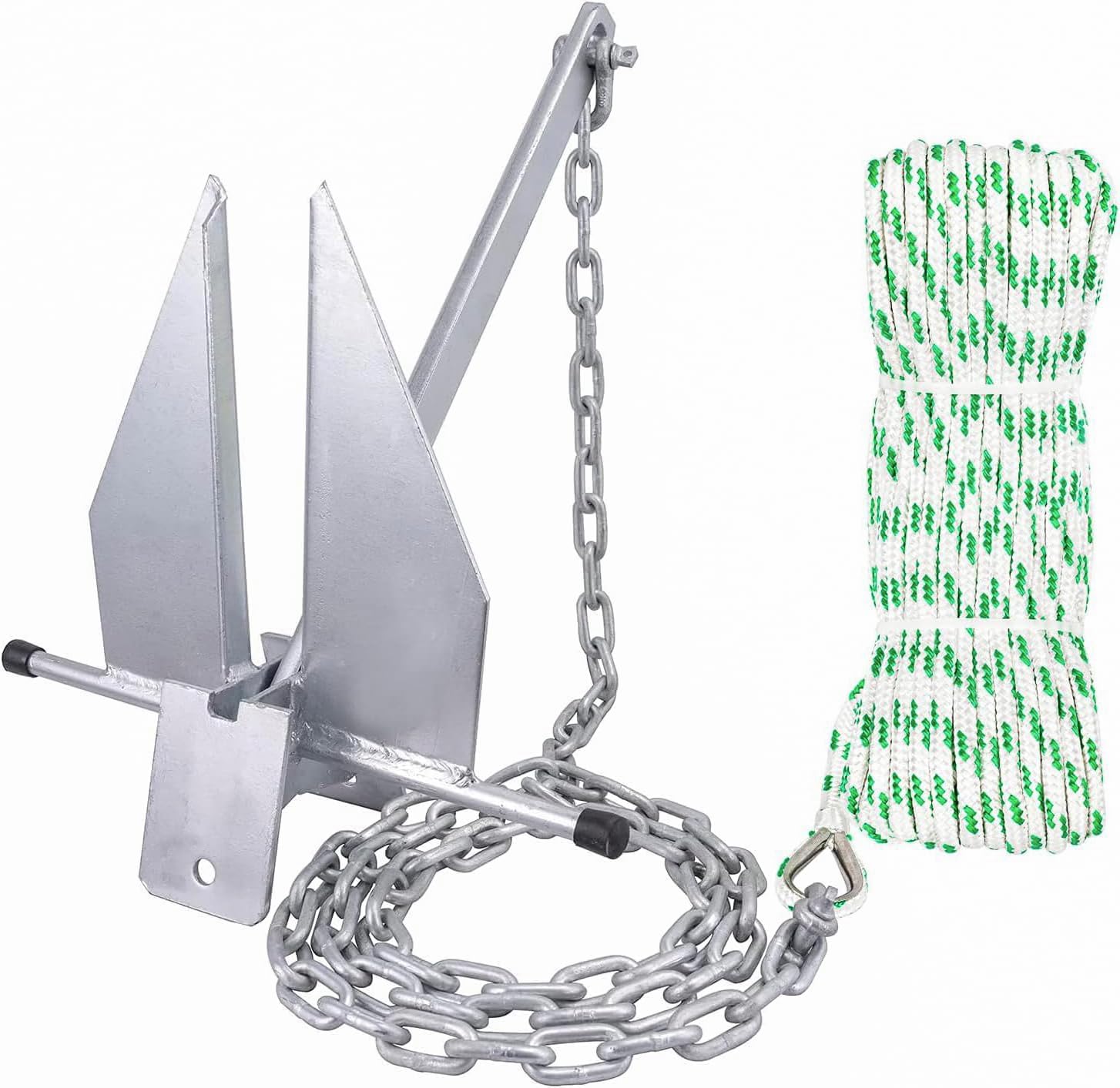
Anchor and Line
Not legally required, but absolutely essential. You need a way to secure your boat if the engine fails.
Choose an anchor appropriate for your boat size and bottom conditions where you boat. Include at least seven feet of chain and enough rode (line) for seven times the maximum depth where you anchor.
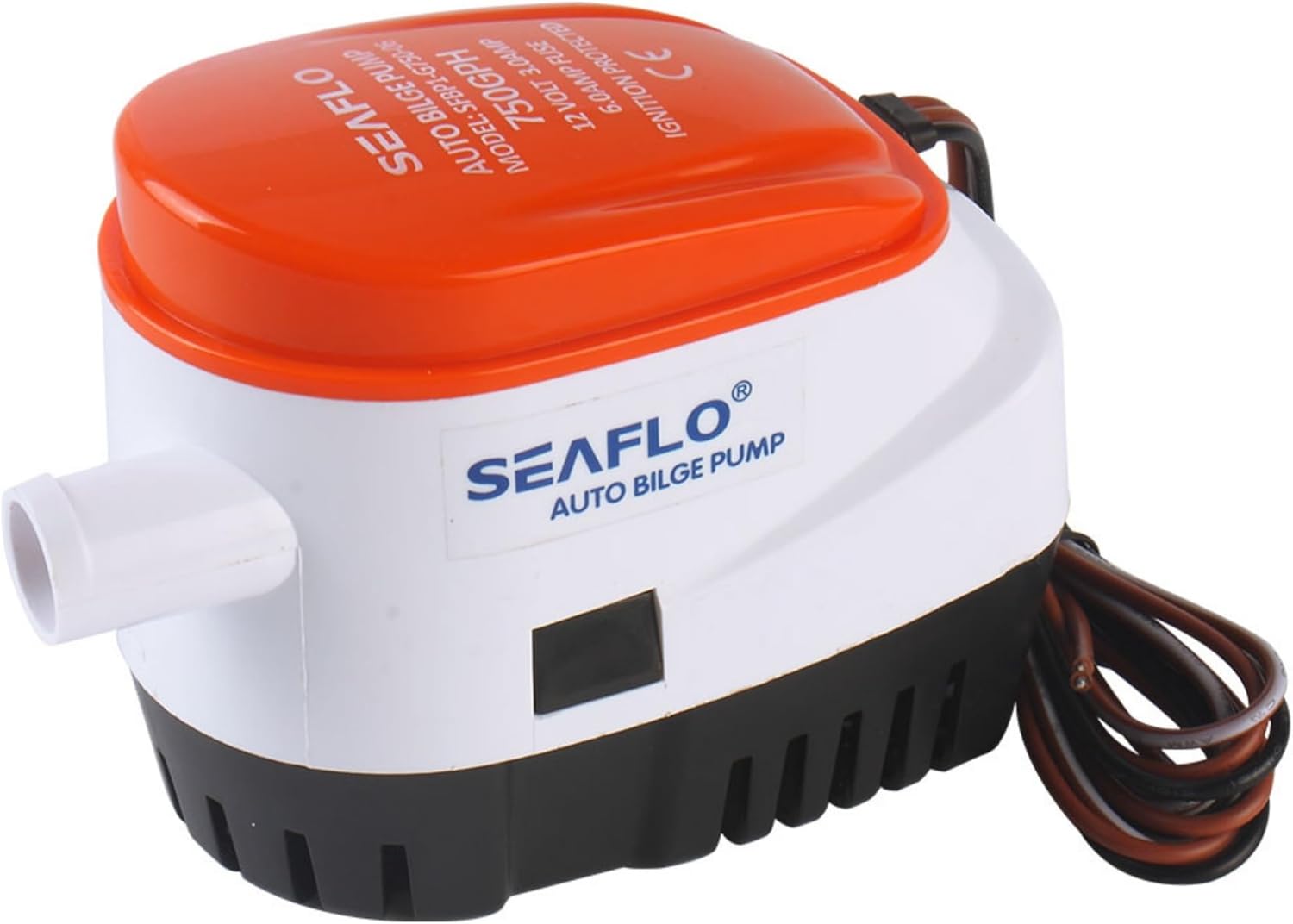
Bilge Pump
Water gets into boats. It happens. A working bilge pump removes it before it becomes a problem. Test your automatic bilge pump regularly, and keep a manual backup on board.
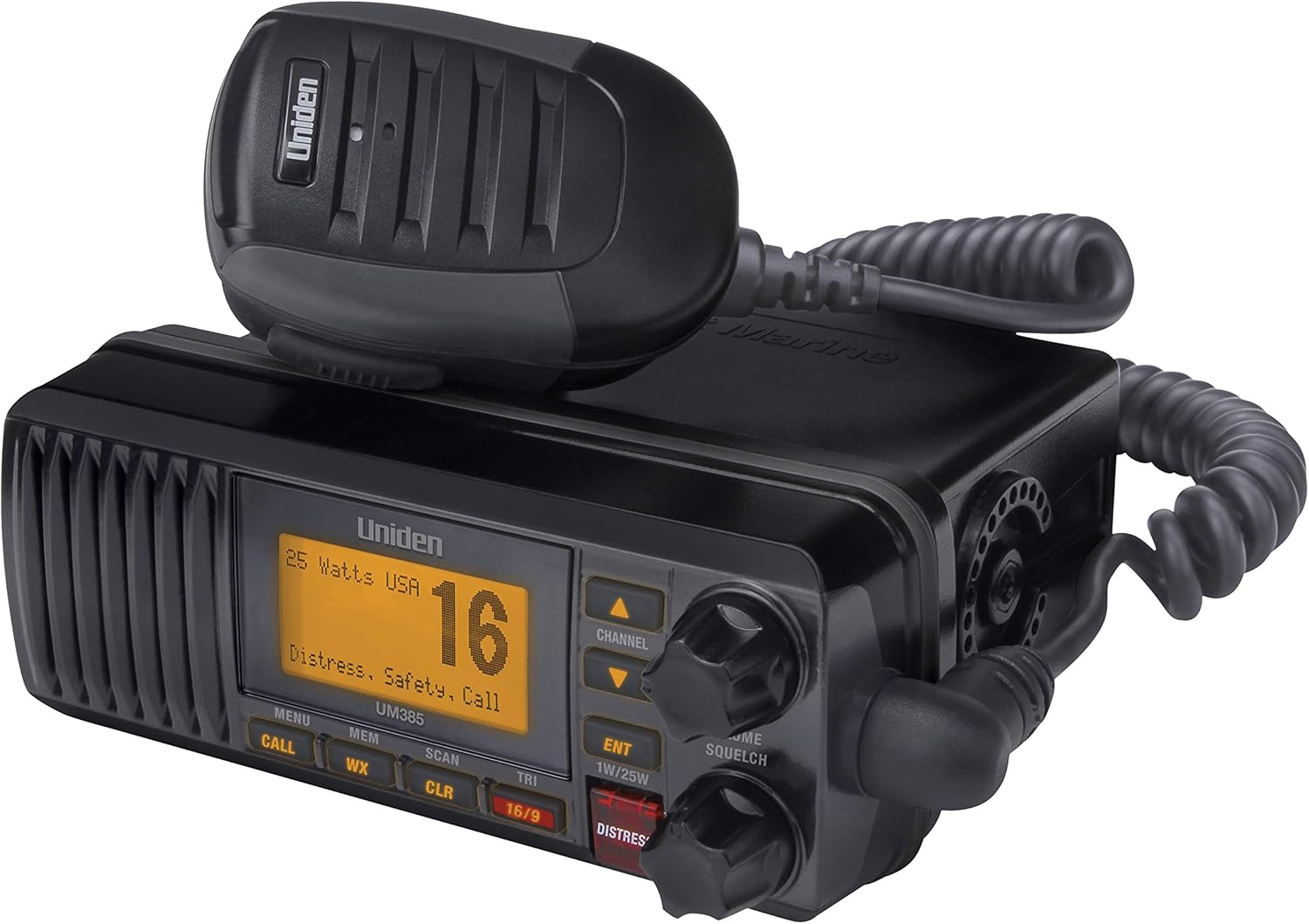
VHF Marine Radio
Cell phones die. They lose signal. A VHF radio connects you directly to the Coast Guard and nearby boats on channel 16.
Modern VHF radios include GPS and digital selective calling (DSC), which automatically broadcasts your location in an emergency.
How to Choose the Right Life Jacket Size
A life jacket only works if it fits correctly. Too big, and it can slip off. Too small, and it won’t provide adequate buoyancy.
For Adults:
Check the manufacturer’s weight and chest size charts. Most adult jackets accommodate:
- Small/Medium: Up to 90 lbs or chest under 36″
- Medium/Large: 90+ lbs and chest 36-42″
- Large/X-Large: 90+ lbs and chest 42-52″
- XX-Large: 90+ lbs and chest over 52″
For Children:
Always use weight, not age, to size children’s life jackets:
- Infant: Under 30 lbs
- Child: 30-50 lbs
- Youth: 50-90 lbs
The Fit Test:
Put the life jacket on and fasten all straps. Have someone lift you by the shoulders of the jacket. If it rides up over your chin or ears, it’s too big. Your child should not be able to slip out of their jacket when lifted.
Life Jacket Maintenance Tips
A life jacket is only as good as its condition. Follow these maintenance guidelines:
After Each Use:
- Rinse with fresh water to remove salt, chlorine, or dirt
- Air dry completely before storage
- Never put in a dryer or leave in direct sunlight
Monthly:
- Inspect for tears, holes, or loose straps
- Check buckles and zippers
- Test inflatable mechanisms (per manufacturer instructions)
Storage:
- Store in a cool, dry place
- Don’t stack heavy items on top
- Keep away from gasoline and cleaning solvents
Replacement Schedule:
Replace life jackets when:
- Foam becomes compressed or waterlogged
- Fabric is torn or severely faded
- Straps are frayed or buckles broken
- Inflatable bladder shows wear or leaks
For inflatables, replace the CO2 cartridge and rearm kit after each activation or per manufacturer recommendations (typically annually).
Safety Gear Checklist: What Every Boat Needs
Required by Coast Guard:
- Life jacket for each person on board
- One throwable flotation device (boats 16′ and longer)
- Fire extinguisher (B-I type minimum)
- Sound-producing device (horn or whistle)
- Navigation lights (for operation after sunset)
- Visual distress signals (coastal waters only)
Strongly Recommended:
- First aid kit
- VHF marine radio
- Anchor with adequate line
- Tool kit with basic boat tools
- Spare propeller and shear pins
- Bilge pump (backup to automatic system)
- Flashlight or headlamp with extra batteries
- Emergency blanket
- Waterproof bag for phones and electronics
- Boat hook
- Dock lines and fenders
The Bottom Line on Boat Safety Gear
Safety gear sits in your boat hoping you’ll never need it. But when you do need it, nothing else matters more.
I’ve been lucky. In fifteen years of boating, I’ve never faced a true emergency. But I’ve watched friends pull drowning swimmers from the water. I’ve helped boats with engine fires. I’ve seen what happens when people cut corners on safety.
Start with properly fitted life jackets for everyone who sets foot on your boat. Add the required safety equipment. Then go beyond the minimum with the gear that gives you confidence on the water.
The best safety gear is the equipment you have on board, in good condition, ready to use. Take the time to choose the right gear, maintain it properly, and know how to use it when needed.
Your family’s safety is worth the investment.