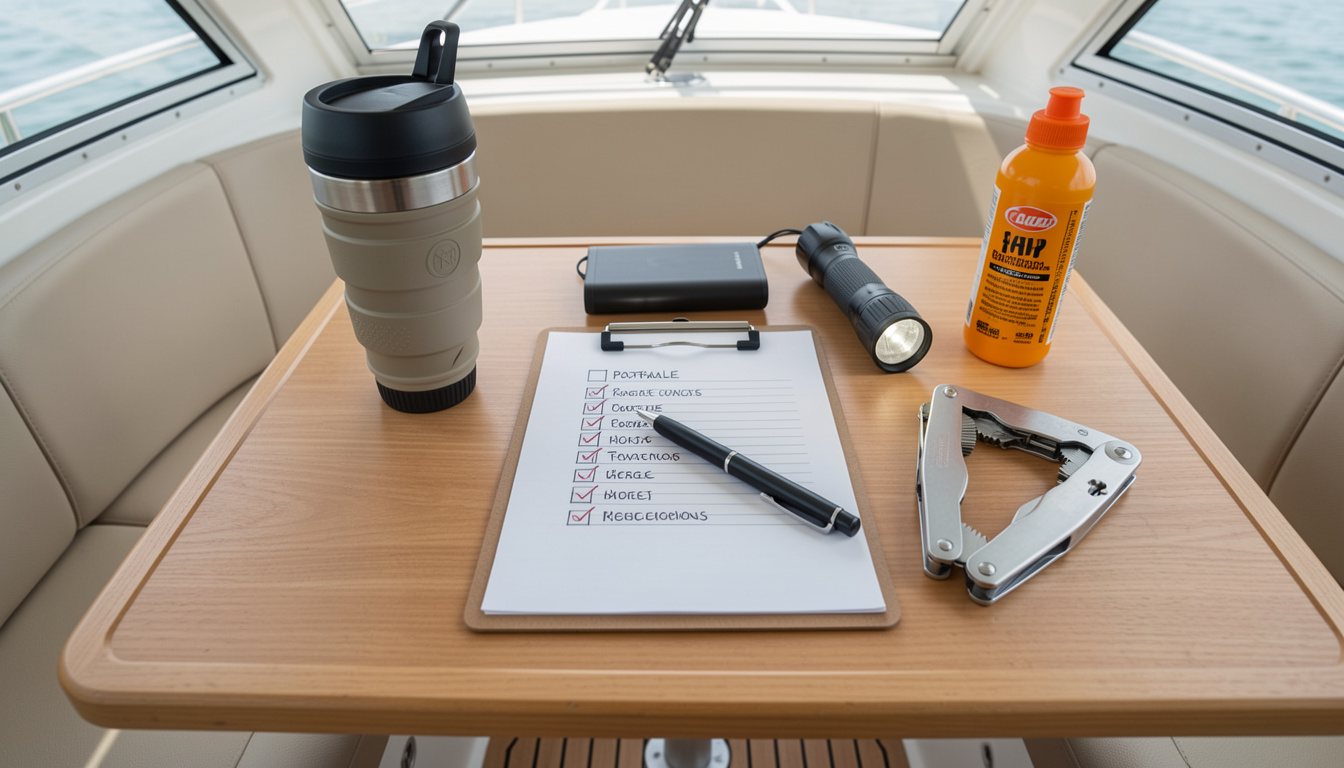
Liveaboard Checklist: Essential Gear for Living on a Sailboat Full-Time
My brother and his wife have lived aboard their 38-foot sailboat for three years. I interviewed them for this article and this is what they had to say. The first six months were a disaster of wrong purchases, useless gear taking up space, and missing essentials they needed badly.
They learned the hard way that sailboat living is completely different from ski boat life. They’re often away from shore power. They generate their own electricity. They deal with motion constantly. Space is even tighter. And when something breaks at anchor or on passage, they fix it themself.
This list isn’t theory. It’s what actually keeps their boat running and their lives comfortable after years of full-time cruising. They aren’t not covering obvious stuff like charts or life jackets. This is the gear that separates struggling from thriving aboard a sailboat.
Why Sailboat Living Is Different
Living on a sailboat at a dock isn’t that different from living on a houseboat. But most sailboat liveaboards cruise at least occasionally. Some cruise full-time. That changes everything.
You can’t rely on shore power. Your electrical system runs on batteries charged by solar, wind, or your engine. Every amp you use matters. You learn to think in watt-hours and manage your power budget like a miser.
Water is precious. Most cruising sailboats carry 50 to 100 gallons. That’s a week of water for two people if you’re careful. Run out and you’re making an unplanned stop or installing a watermaker.
Everything on a sailboat moves. Heeling puts your living space at 20 degrees. Cooking while underway means gimbaled stoves and one hand for the ship. Storage solutions that work in a level house fail instantly under sail.
And you fix everything yourself. The nearest marine store might be days away. You carry spares for critical systems and the knowledge to install them.
Power Generation and Management
Shore power is occasional, not constant. Your boat needs to generate and manage its own electricity. This is where most new liveaboards underestimate what they need.
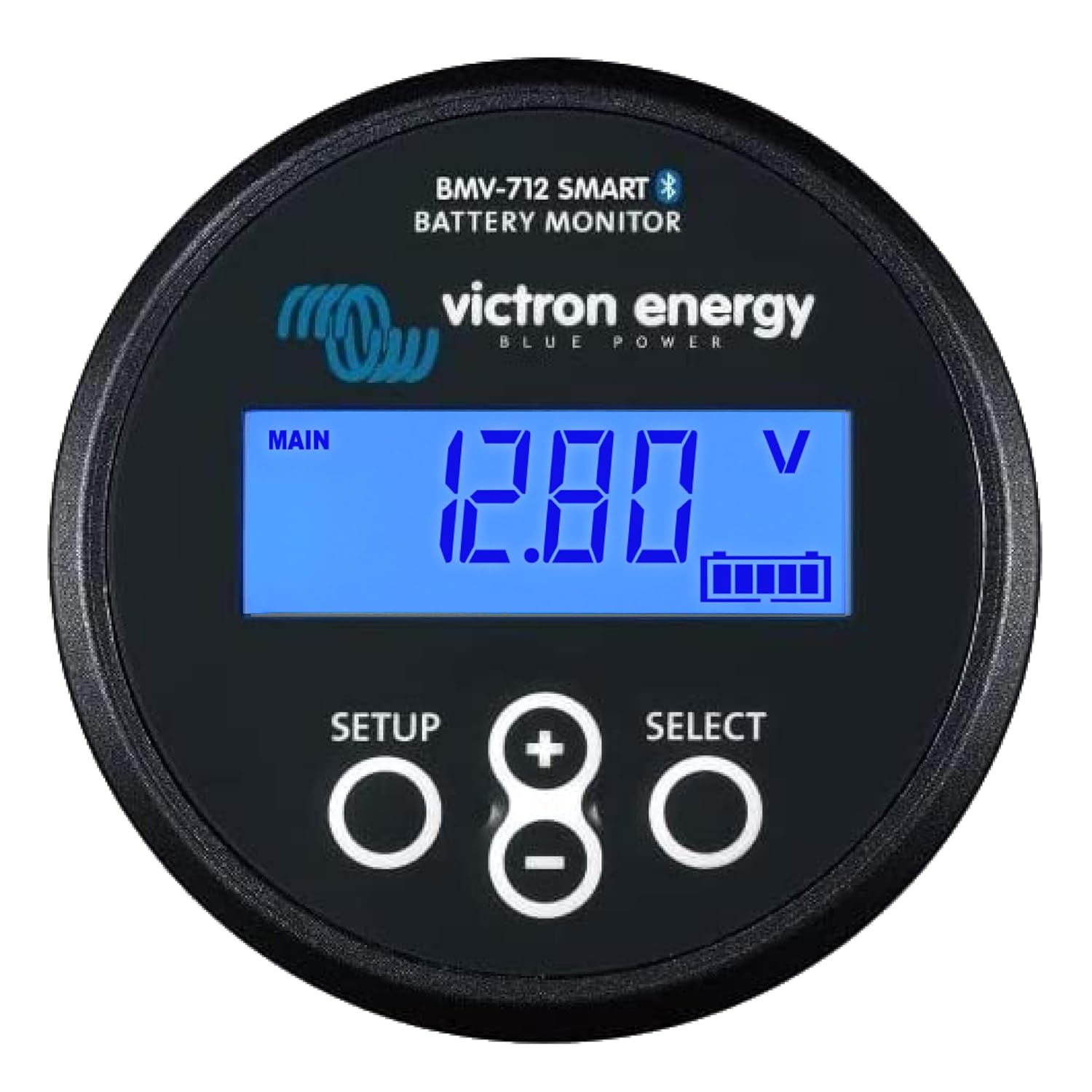
Battery Monitor: Victron BMV-712 Smart Battery Monitor
This is the single most important piece of gear for living off grid. It shows exactly how much power you have, what’s using it, and how long until your batteries die.
Before installing theirs, they killed their batteries twice by running them too low. They had no idea their fridge was drawing way more than expected or that their stereo pulled power even when off. The battery monitor changed everything.
It connects to your phone via Bluetooth. You can see state of charge, amps in or out, time remaining at current draw, and historical data. You’ll become obsessive about checking it, which is good because it keeps you from destroying expensive batteries.
Why this one’s essential:
- Shows exact battery state of charge, not just voltage
- Tracks consumption history so you know your daily usage
- Bluetooth app lets you check from anywhere on boat
- Alarms warn before you damage batteries
- Integrates with Victron solar controllers and inverters
Every cruising sailboat needs one of these. The information it provides is crucial for managing power off grid.
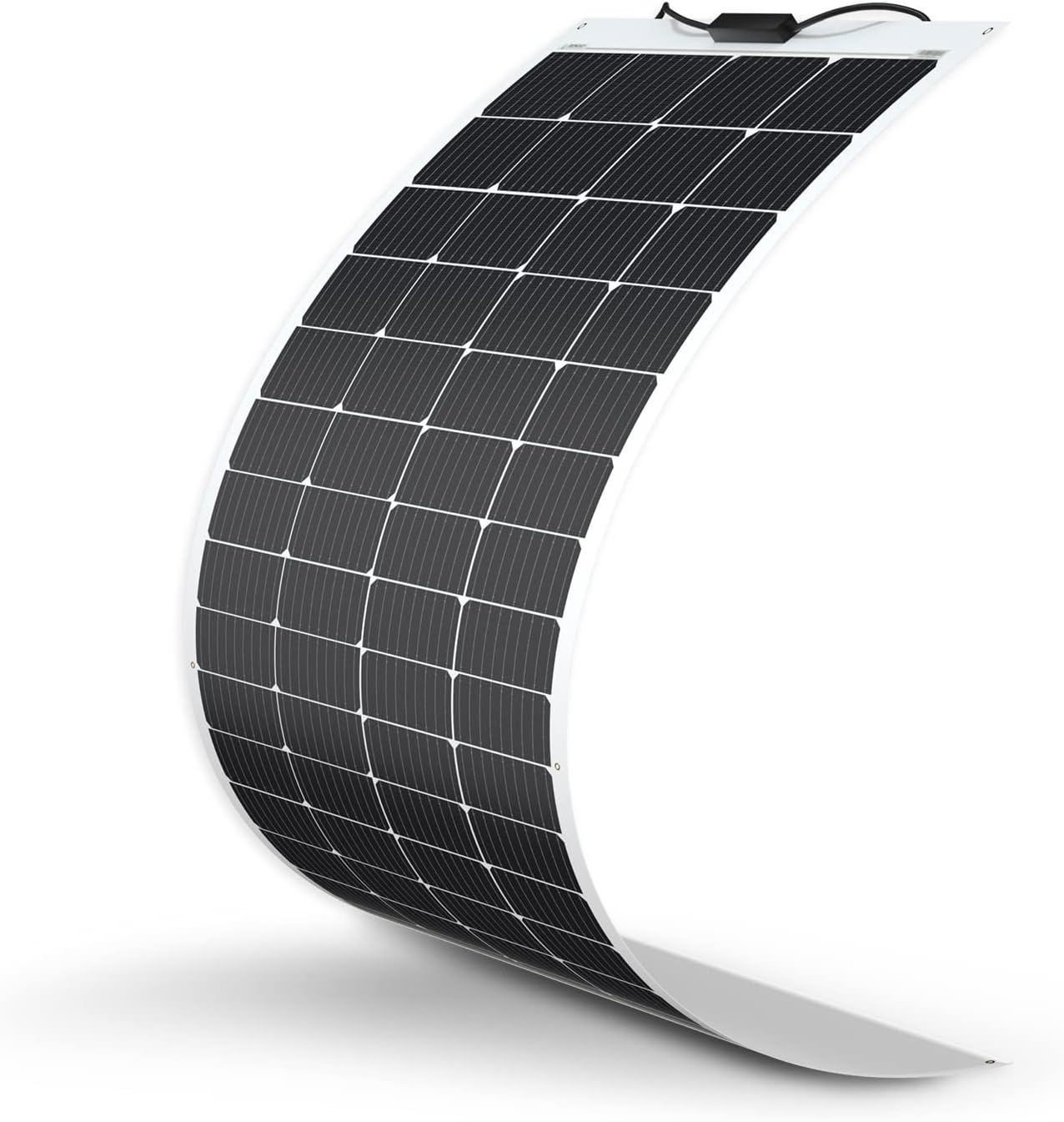
Solar Panels: Renogy 200W Flexible Solar Panel Kit
Solar is your primary charging source when living aboard and cruising. They started with 100 watts. It wasn’t enough. They’re now running 400 watts and sometimes that feels tight on cloudy days.
These flexible panels mount directly to deck or bimini with adhesive. They’re thin enough to walk on without damage. No mounting frames needed. They conform to curved surfaces. And at 200 watts, two panels give you serious charging capability.
They average about 50 amp-hours per day from their 400 watts of solar in good conditions. That runs their fridge, charges devices, powers lights, and runs ventilation fans. On sunny days they make surplus. On cloudy days they break even.
Why flexible panels work for sailboats:
- Thin profile doesn’t interfere with boom or rigging
- Light weight doesn’t affect boat performance
- No mounting frames means cleaner installation
- Can mount anywhere flat including bimini top
- Walk on them without worry
Budget for at least 200 to 400 watts total. More is better. You’ll use every watt you can generate.
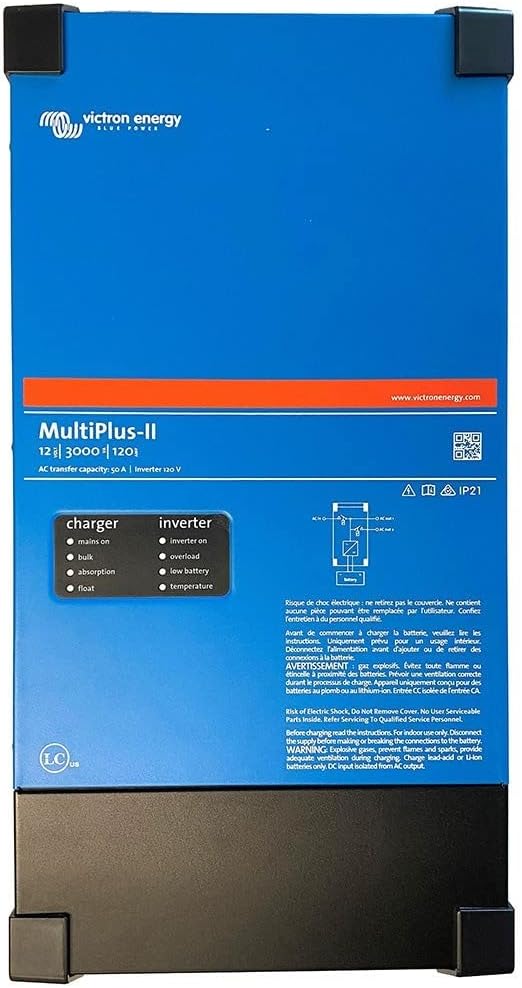
Inverter: Victron MultiPlus 12/3000 Inverter/Charger
You need AC power for laptops, phone chargers, power tools, and various other devices. An inverter converts your 12V battery power to 120V AC power.
The Victron MultiPlus is an inverter and battery charger combined. When plugged into shore power, it charges your batteries. When unplugged, it inverts battery power to AC. It switches between modes seamlessly.
The 3000 watt size handles most devices including a microwave or power tools. Pure sine wave output means it won’t damage sensitive electronics. And the built-in charger is smart enough to properly charge lithium or AGM batteries.
They run laptops for work, charge camera batteries, use power tools for boat projects, and occasionally run a blender or coffee grinder. The inverter handles it all from their battery bank.
Wind and Water Generators
If you do serious offshore passages, consider a wind generator or towed water generator. They charge while you sail, keeping batteries topped up on multi-day passages.
Wind generators are noisy and everyone on the boat will eventually hate them. But they work. Water generators are silent and efficient but only work while sailing at decent speed. They don’t have either yet but plan to add a wind generator before their next long passage.
Water Systems and Management
Water management defines your cruising range. Fill up in one place, make it last until the next reliable water source. Run out early and you’re making unplanned stops or rationing.
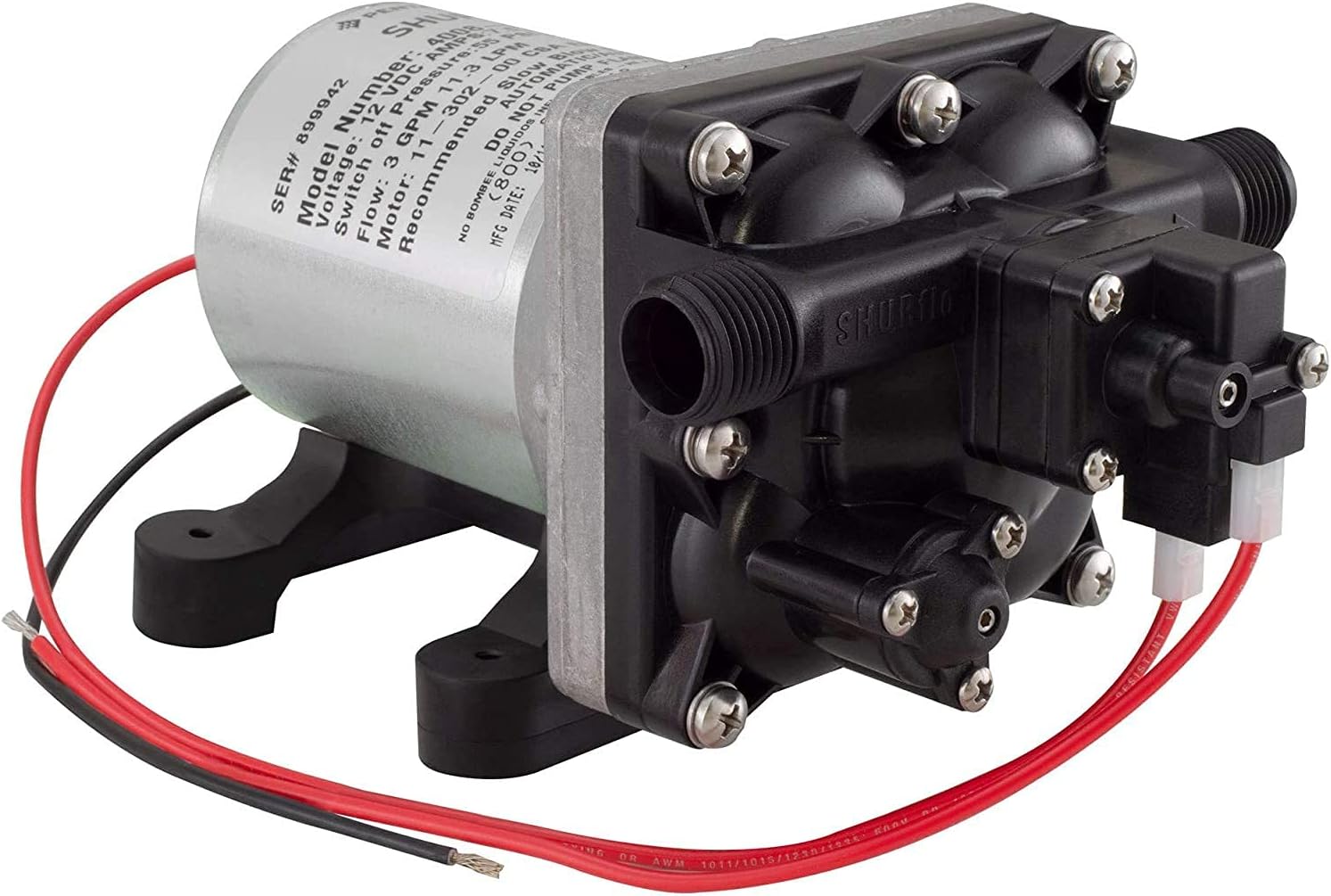
Water Pump Spares: Shurflo 4008 Replacement Pump
Your water pump will fail. Usually at night or on a weekend when stores are closed. Having a spare aboard means you swap it in 20 minutes instead of going days without running water.
The Shurflo 4008 is standard on most cruising boats. Self-priming, runs on 12V, handles the pressure cycling of marine use. Keep a spare below along with a rebuild kit for the pump that fails.
They learned this lesson when their pump died on a Friday night at anchor. No running water until Monday when the marine store opened. Now they carry a spare pump, a rebuild kit, and the tools to swap them. Problem solved in minutes instead of days.
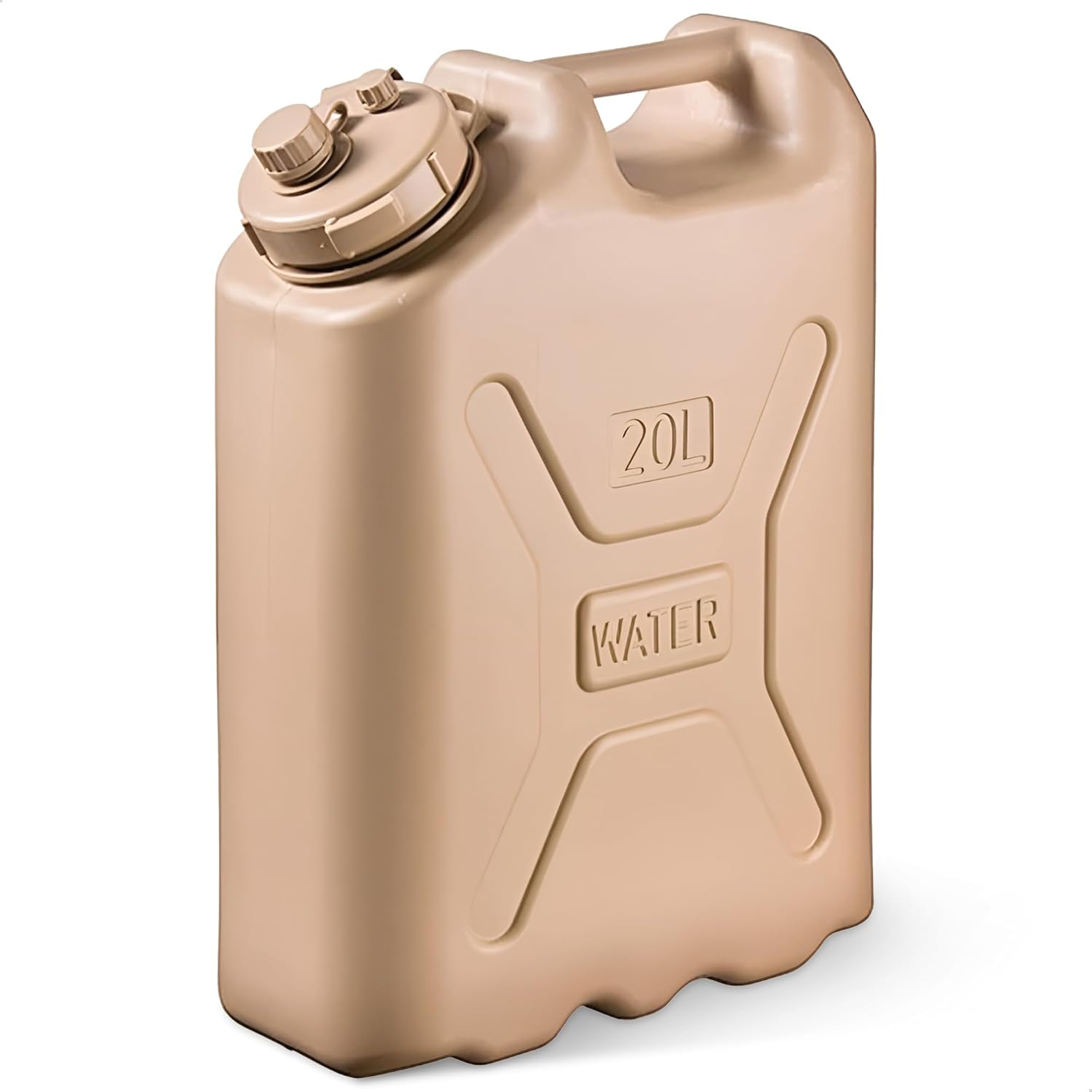
Jerry Cans: Scepter Military Water Cans (5 Gallon)
You need backup water storage separate from your tanks. Jerry cans let you carry extra water, bring water from shore when anchored out, or provide emergency reserves.
These military-spec cans are bulletproof. They stack, seal completely, and last forever. They keep four aboard. Two for water, two for diesel. The water cans give us an extra 10 gallons beyond our tanks.
When they’re somewhere with sketchy water, they fill jerry cans at a known good source instead of filling tanks with questionable water. When anchored without dinghy access to shore, they load jerry cans in the dinghy and haul water back.
Get the military surplus ones, not the cheap hardware store versions. The good ones seal properly and won’t leak salt water into your fresh water.
Water Conservation Reality
You’ll use two to four gallons per person per day if you’re conservative. Showers are one minute with the water off while soaping. Dishes get washed in a basin with minimal rinse water. You flush the head with seawater when possible.
Install a water accumulator tank. It maintains pressure without running the pump for every small water use. Your pump will last longer and you’ll use less power.
Consider a watermaker if you cruise long-term. They’re expensive but eliminate water anxiety completely. They don’t have one yet but it’s on the upgrade list.
Galley Essentials for Cruising
Cooking on a sailboat means dealing with motion, limited fuel, and compact storage. The right gear makes this manageable instead of frustrating.
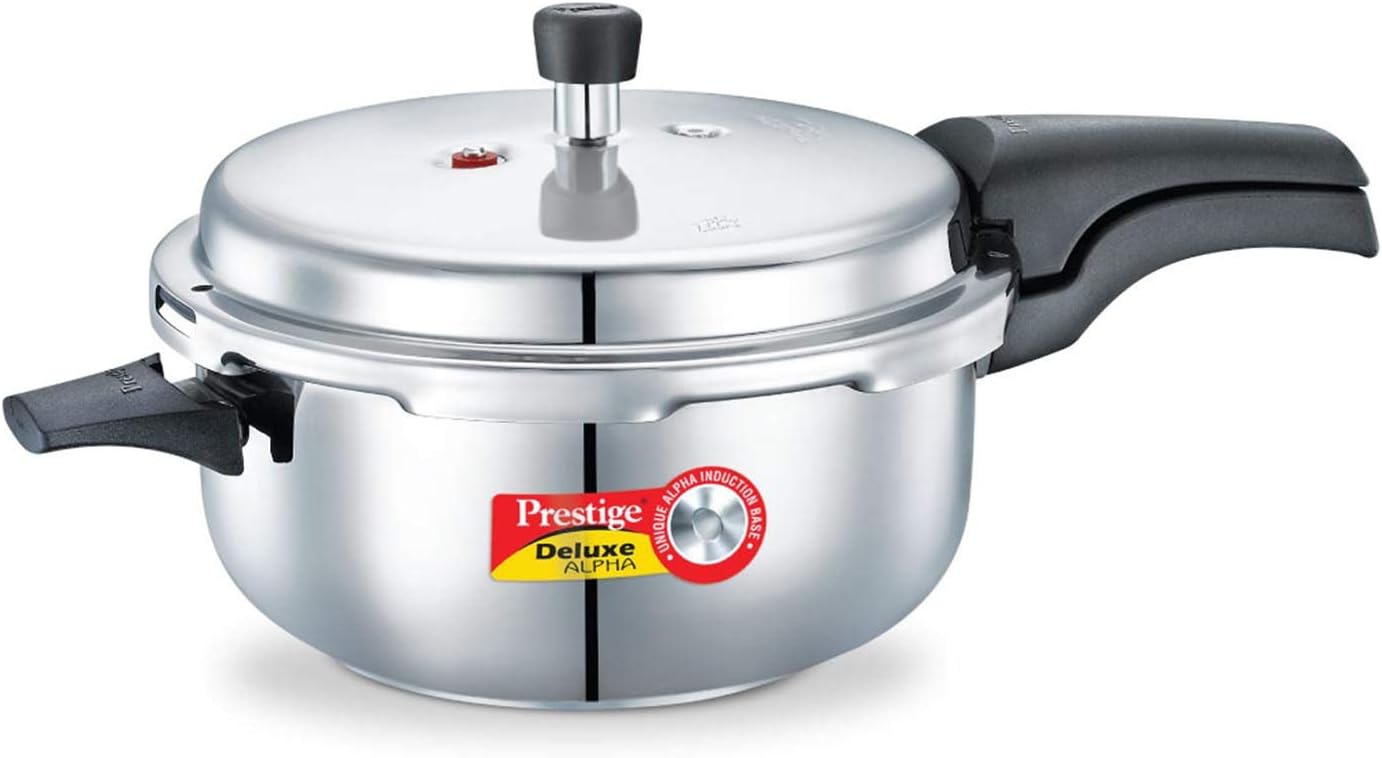
Pressure Cooker: Prestige Stainless Steel Pressure Cooker
A pressure cooker is the single best galley tool for cruising. It cuts cooking time in half, which saves propane. It uses less water. It works great in rough conditions because everything’s sealed inside.
They use theirs almost daily. Rice in 8 minutes instead of 20. Beans cooked in 30 minutes instead of hours. Tough meat becomes tender. Stews and soups done fast. And because it’s sealed, nothing spills even when the boat’s heeled over.
The stovetop version works on any fuel source. Electric pressure cookers draw too much power for most boat electrical systems. Get the old-school stovetop kind that works with your propane or alcohol stove.
Why it’s essential for boats:
- Saves propane by cooking faster
- Uses less water (steam cooking)
- Sealed lid means no spills when heeled
- One-pot meals simplify galley cleanup
- Makes cheap tough cuts of meat edible
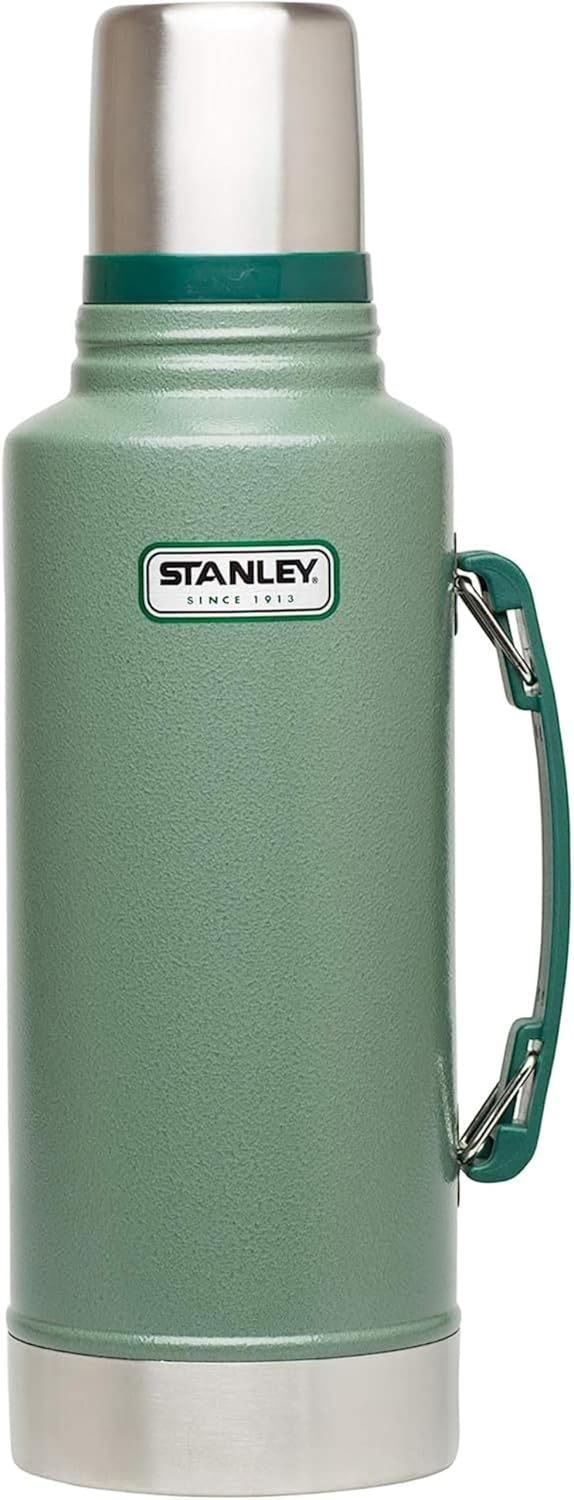
Thermos: Stanley Classic Vacuum Bottle 2 Quart
Heat water once, keep it hot all day. Make coffee once, have hot coffee for hours. Cook soup or stew, store it hot in the thermos, and have hot food ready without reheating.
This saves so much propane. Boil water in the morning, fill the thermos, and you’ve got hot water for coffee, tea, or instant soup all day without firing up the stove again. On passage, they fill it with hot coffee before watch changes.
The 2-quart Stanley is indestructible. It keeps things hot for 24 hours easily. We’ve used ours daily for two years and it’s still perfect. Get the version with the wide mouth so you can actually clean it properly.
Galley Tools That Actually Matter
One good chef’s knife. One serrated knife. A cutting board that wedges into the sink for stability. Nested pots and pans that store efficiently. A gimbal stove if you sail in rough conditions.
Forget specialized gadgets. You don’t have room and they’re useless. Get multi-use tools. A good pot works for pasta, soup, steaming, and boiling. A cast iron skillet handles everything from pancakes to stir-fry.
Storage containers need to seal completely and nest together. Glass breaks. Plastic is lighter and safer on boats. Get stuff that survives being knocked around in a locker.
Safety and Navigation Backup Systems
Electronics fail. Batteries die. Your primary systems will quit at the worst possible time. Backups aren’t optional on a cruising sailboat.
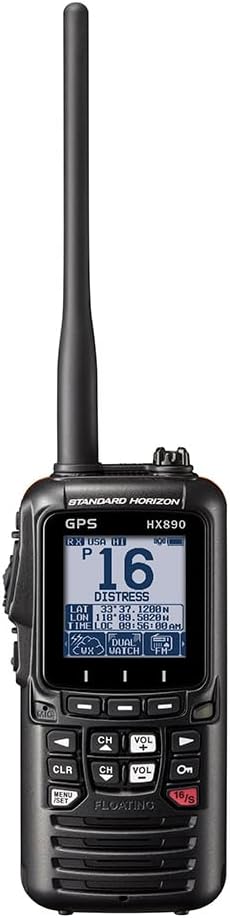
Backup VHF: Standard Horizon HX890 Handheld VHF
Your fixed-mount VHF radio depends on your boat’s electrical system. When that fails or your batteries are dead, you need a handheld backup that works independently.
This one has GPS built in and floats if you drop it overboard. It’s waterproof, the battery lasts days, and it includes a charging cradle. They keep it charged and ready to grab in an emergency.
When their electrical panel died during a passage, they used the handheld VHF for all communication until they fixed the main system. Having it made the difference between being able to call for weather updates and being completely isolated.
Keep it somewhere you can grab it fast. Test it monthly. Replace batteries every few years even if they seem fine.
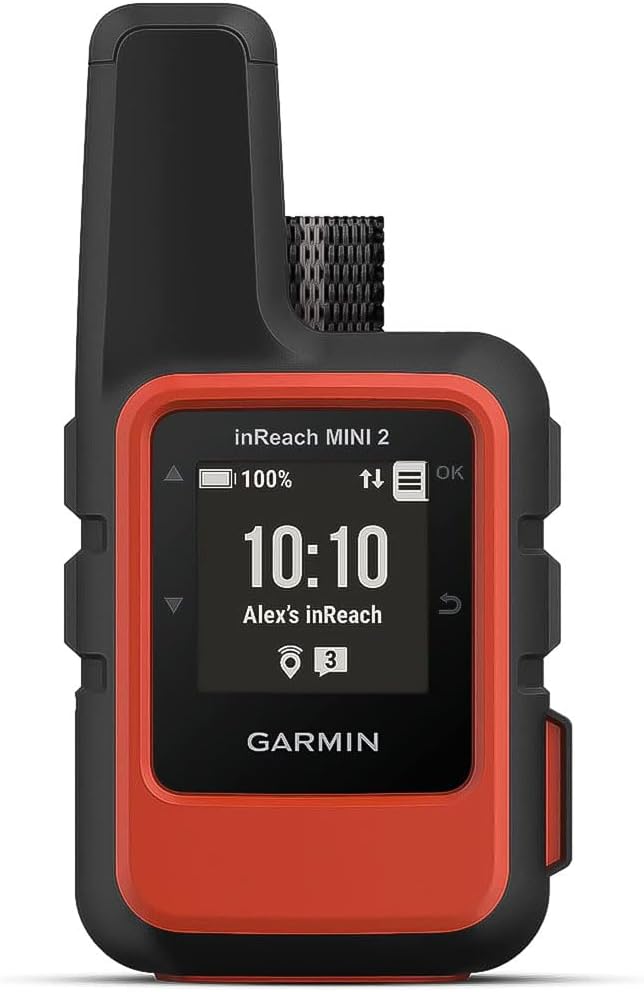
Satellite Communicator: Garmin inReach Mini 2
This is your lifeline when you’re out of VHF and cell range. Two-way satellite messaging, GPS tracking, and an SOS button that connects directly to search and rescue.
They use theirs on every passage. They send position updates to us and others family members. They check weather forecasts. They can text back and forth with us even 500 miles offshore. And the SOS feature gives them confidence that help is always reachable.
The Mini 2 is tiny, waterproof, and the battery lasts weeks. Monthly subscription starts around $15. Completely worth it for the peace of mind and communication capability.
This isn’t just for emergencies. It’s your primary communication tool beyond VHF range. You’ll use it constantly if you cruise offshore.
Paper Chart Backup
Electronics fail. All of them, eventually. Keep paper charts for your cruising area. You don’t need every chart, just ones covering the places you’ll actually go.
A handheld GPS with basic charts works as backup to your chartplotter. It runs on AA batteries when your boat batteries are dead. They keep one in the abandon ship bag along with paper charts for their region.
Sail and Rigging Maintenance
Things break on sailboats. Lines chafe through. Shackles wear out. Sails tear. You fix this stuff yourself because the nearest rigger might be weeks away.
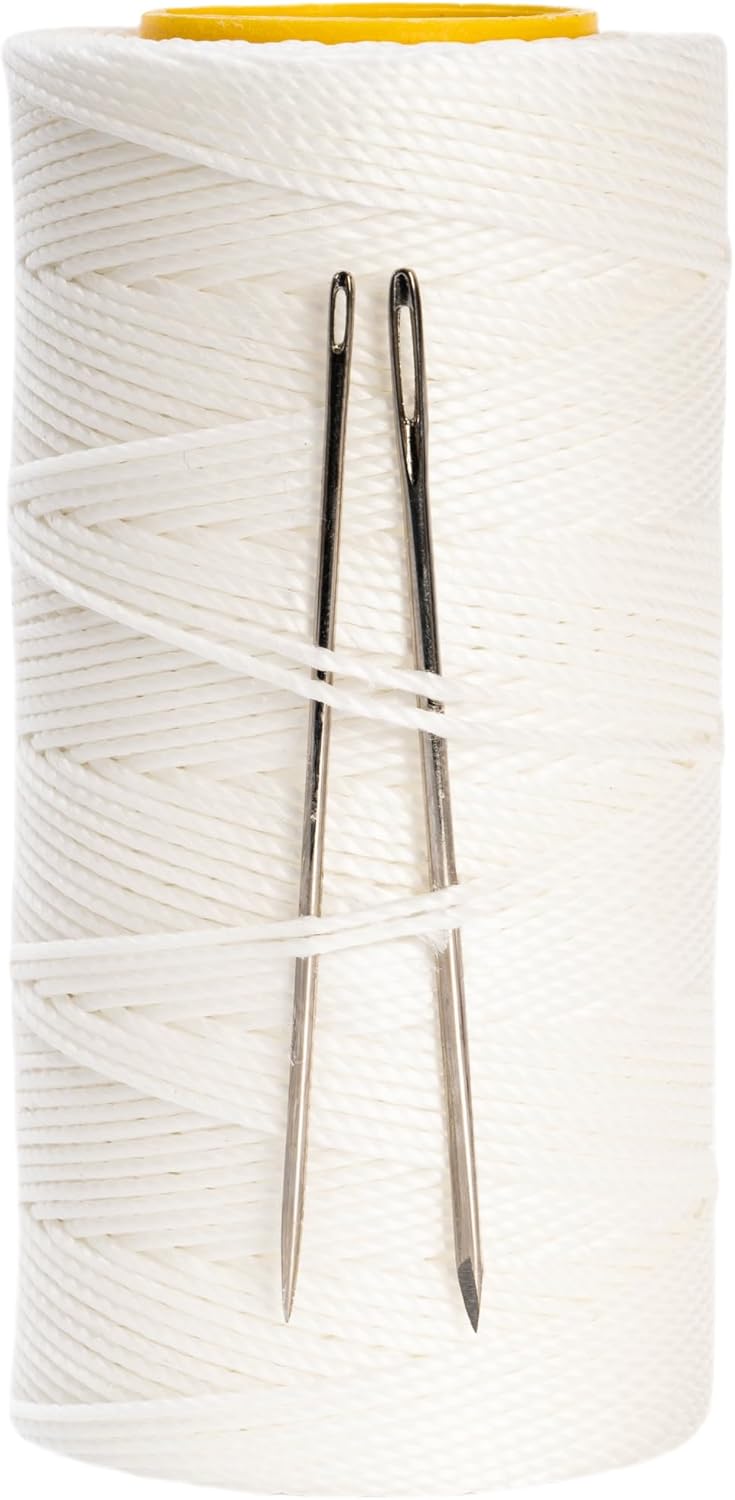
Sail Repair Kit: Veapils Sail Repair Kit
Sails tear. Usually when you’re far from a sail loft. Having the materials and knowledge to fix them yourself means you keep sailing instead of motoring for days.
This kit includes adhesive sail tape, needles, thread, a palm, and instructions. The tape handles temporary emergency repairs. The sewing supplies let you do proper repairs that last.
They’ve patched small tears, restitched seams, and reinforced wear points. None of it required expert skills. The palm and heavy-duty needles let you sew through multiple layers of sailcloth.
Learn basic sail repair before you need it. Practice on scrap material. When a sail tears on passage, you’ll be glad you know what to do.
Spare Lines and Hardware
Carry spare halyards. Pre-rig messenger lines so you can pull a new halyard through if one fails. Keep extra sheets in appropriate diameter. Stock shackles in every size you use.
Rigging tape stops fraying and protects against chafe. Whipping twine and a Swedish fid for proper line ends. Cable ties and hose clamps in every size. These are cheap insurance against failures that could end your cruise.
What You Don’t Need
Here’s what seemed important but turned out to be useless or unnecessary on their boat.
Powerboat Gear That Doesn’t Fit Sailing
Portable power stations. Sailboats have house banks and charging systems. You don’t need a separate battery in a box.
Huge coolers. If your fridge works, you don’t need backup refrigeration. If it fails, you fix it or eat everything before it spoils.
Shore power dependence. Gear that only works on shore power is useless when cruising. Everything on a sailboat needs to run off 12V batteries.
Excessive Spares
Two of everything sounds good but takes stupid amounts of space. Carry spares for things that fail frequently or are critical. Skip spares for durable items that rarely break.
They don’t carry spare winches, extra cleats, backup spreaders, or duplicate electronics. They do carry impellers, belts, filters, and electrical components.
The Real First-Year Reality
Your first year living aboard will teach you what actually matters. The gear on this list comes from experience, not theory.
You’ll buy things you never use. You’ll wish you had things you don’t own. That’s normal. Every liveaboard goes through it.
Start with the critical systems. Power generation. Water management. Safety equipment. Navigation backups. Engine spares. Get those dialed in before worrying about comfort items.
Add gear as you discover you need it. If you find yourself wishing you had something three times, buy it. If something sits unused for six months, get rid of it.
Space on a sailboat is precious. Every item aboard needs to justify its existence. Be ruthless about keeping only what you actually use.
Making Sailboat Living Work
Living aboard a sailboat requires different gear than living on a powerboat or in a house. You’re generating your own power, managing limited resources, and maintaining systems yourself.
Get the essentials right first. Power generation and monitoring. Water systems and spares. Safety equipment and backups. Engine maintenance supplies. These form the foundation that makes everything else possible.
Add comfort items as budget and space allow. But prioritize function over luxury. The gear that keeps your systems running matters more than the gear that makes things slightly nicer.
Learn to fix things yourself. Understand your boat’s systems. Carry the spares and tools you’ll actually need. Know when to call for professional help and when to DIY.
Living aboard a sailboat is an incredible lifestyle. The right gear makes it sustainable long-term instead of a brief adventure that ends in frustration. Start with this list, adapt it to your specific boat and cruising plans, and build from there.
They’re three years in and still learning. But the gear on this list represents what they wish they’d known from day one. Learn from their expensive lessons. Get it right the first time.